In Good Order – Care
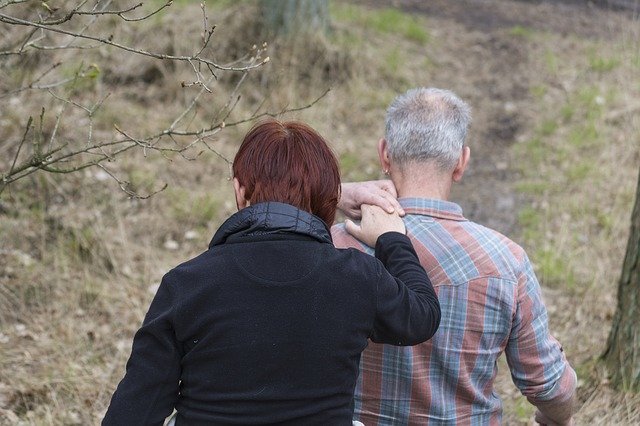
People care for one another to a remarkable degree when you consider how much informal caregiving exists in society. Not everyone is capable of it. Some live only for themselves. Yet in my practice as a general practitioner I also see many families in which caring for one another occupies a central place.
It is what most of us really want. You care about your partner, or you raise one or more children together, who will grow into adults. This requires no small amount of unpaid care work.
Much of that care takes place quietly, almost invisibly. Society could never replace these hidden acts of care with professional services alone. Those services are in any case already overburdened in a society where the demand for care continues to rise because of an aging population.
If we want to remain capable of meeting these caregiving needs in the future, we will have to learn to draw more effectively upon the energy that exists among ordinary people themselves—encouraging it, supporting it, and guiding it.
Informal caregiving borders on volunteer work and often merges with it. In the 1980s I played a role in establishing and helping to run what was then called The Foundation vzw. In practice it involved training and supervising “buddies”: volunteers willing to accompany an AIDS patient or a person living with HIV for part of their journey.
I learned a great deal during those years about the dedication and willingness of many ordinary people to extend a helping hand to someone who had contracted a particular illness and to support them in everyday life.
I was struck by how many there were, and by the efforts they were sometimes capable of making—so much so that we occasionally had to restrain them somewhat, to prevent them from sacrificing themselves too completely, or from collapsing under the strain when things ended badly.
In those early years AIDS was a fatal illness for which no treatment yet existed, as there is today. The disease also exposed those who carried it to prejudice and taboos, often leading to exclusion.
To be a buddy meant sharing all of that. It required resilient individuals who were carefully selected, trained, and supported.
It was perhaps the most beautiful period of my professional life that I was able to experience this work. It was deeply inspiring, and a remedy against the widespread pessimism of the time.
Latest contributions
Mission and Vision of Dr. Van Breusegem
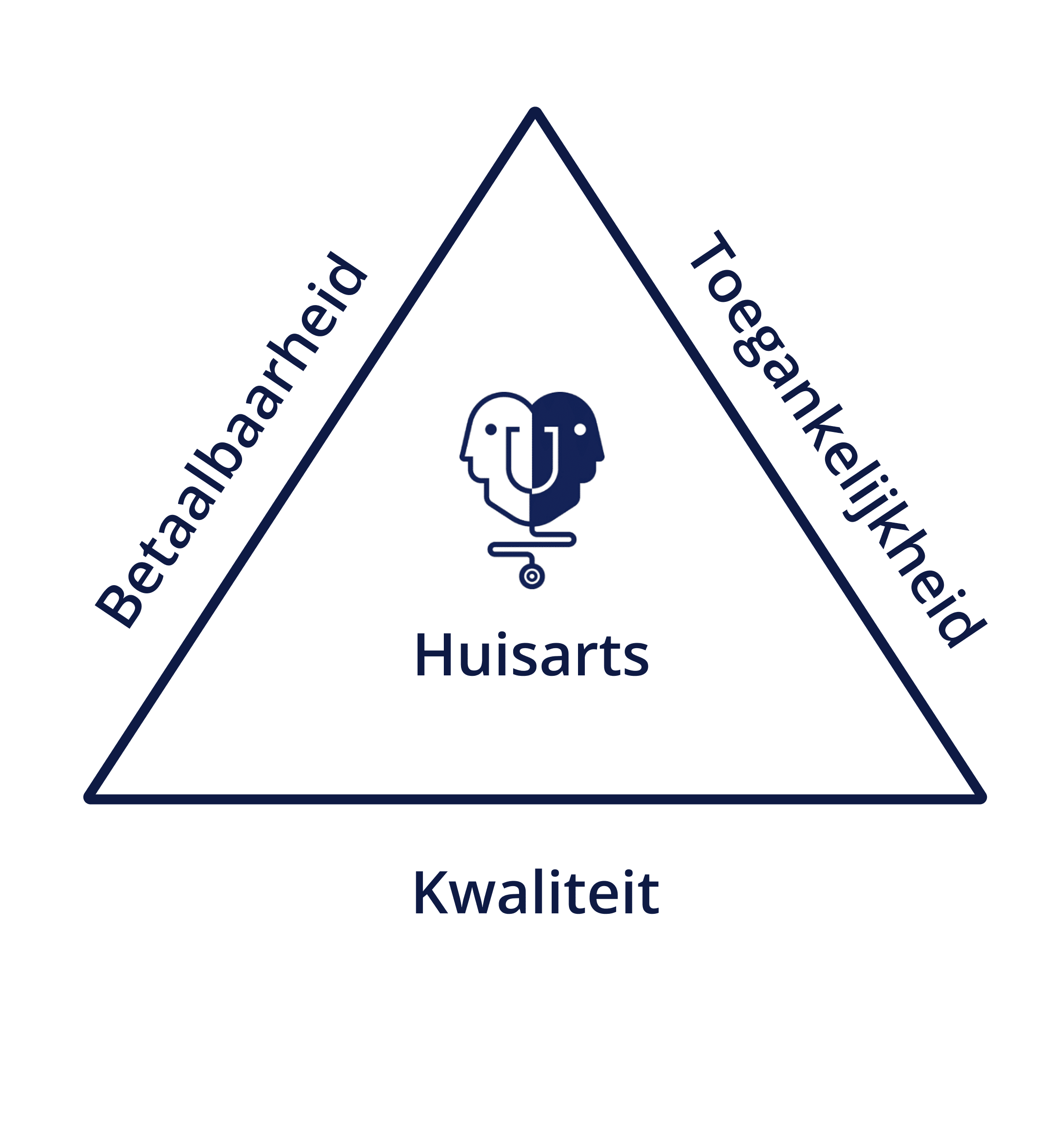
The Iron Triangle of Healthcare: Quality, Accessibility and Affordability The family physician stands at its centre. Mission and Vision Primary Care […]
Is the use of ADHD medication helpful and safe in children?
Is the use of ADHD medication helpful and safe in children? Reading time: 4 minutes. This article contains general information and does not replace […]
School and Homework for Children with ADHD

School and Homework for Children with ADHD Reading time: 4–5 minutes. This article provides general information and does not replace professional […]
All writers
- Hanna Brems
- A Portrait of Erembodegem, a Belgian village
- ADHD
- Advice from the doctor
- African poetry
- AIDS activism and gay emancipation
- Allergie
- Bibliography of Chris
- Bibliography of Olivier
- Bibliography of Patrick
- Biography of Chris
- Biography of Olivier
- Biography of Patrick
- Blackout poetry
- Blogs
- Chris' Stage
- Columns
- Covid
- Dirk van Babylon Newsletter
- Double calling
- Essays
- Essays of Olivier
- Fragile light
- Hanna's Mind Wanderings
- Incapacity for work
- Late Pasquino's
- Lectures
- LEIF doctor
- Liechtensteiner
- Medical newsletter
- Memoirs of a general practitioner
- Miguel Molinos
- Moctines
- Musings
- Myriad
- Patrick's Stage
- Practice in Erembodegem
- Resignation
- Short Stories
- Sleep problems
- Sonnets
- Sprokkelmaand
- Substance abuse and addiction
- Synchronicities
- Travel
- Uncategorized
- Vi to
- Vögels
- Voluntary euthanasia
- Weltschmerz
- Wormwood or The dose makes the poison
- Pixel Savant
- A Portrait of Erembodegem, a Belgian village
- ADHD
- Advice from the doctor
- African poetry
- AIDS activism and gay emancipation
- Allergie
- Bibliography of Chris
- Bibliography of Olivier
- Bibliography of Patrick
- Biography of Chris
- Biography of Olivier
- Biography of Patrick
- Blackout poetry
- Blogs
- Chris' Stage
- Columns
- Covid
- Dirk van Babylon Newsletter
- Double calling
- Essays
- Essays of Olivier
- Fragile light
- Hanna's Mind Wanderings
- Incapacity for work
- Late Pasquino's
- Lectures
- LEIF doctor
- Liechtensteiner
- Medical newsletter
- Memoirs of a general practitioner
- Miguel Molinos
- Moctines
- Musings
- Myriad
- Patrick's Stage
- Practice in Erembodegem
- Resignation
- Short Stories
- Sleep problems
- Sonnets
- Sprokkelmaand
- Substance abuse and addiction
- Synchronicities
- Travel
- Uncategorized
- Vi to
- Vögels
- Voluntary euthanasia
- Weltschmerz
- Wormwood or The dose makes the poison
About the writer

Other works by our writers
- June 2026 (2)
- May 2026 (1)
- February 2026 (2)
- January 2026 (1)
- December 2025 (2)
- November 2025 (5)
- October 2025 (6)
- September 2025 (4)
- August 2025 (12)
- July 2025 (2)
- March 2025 (3)
- December 2024 (8)
- November 2024 (5)
- April 2024 (32)
- January 2024 (1)
- December 2023 (1)
- February 2022 (13)
- December 2021 (5)
- November 2021 (4)
- May 2021 (1)
- February 2021 (3)
- January 2021 (5)
No comments have been posted yet!