
School and Homework for Children with ADHD
Reading time: 4–5 minutes.
This article provides general information and does not replace professional medical advice. Always consult a physician or healthcare provider if you have questions or concerns.
Children with ADHD often stand out in class: they are fidgety, dreamy, or strikingly talkative. Boys struggle more often with hyperactivity—while girls are more likely to sit daydreaming. It is difficult for them to keep their attention on the lesson.
At a young age, children already experience considerable pressure: each year they must achieve specific learning goals and continue developing. For neurodivergent children—for example those with ADHD—that is an especially great challenge. They require an adapted pathway to reach the same goals as their peers without ADHD. What can you, as a parent, do to support your child?
Collaborate instead of confronting one another
Open communication is, as in many situations, crucial. Has your child been diagnosed with ADHD? Do not wait to discuss this with your child’s teacher(s). They can refer you to the school’s care coordinator or mentor, who will work with you to see what might help your child. You know your child best, so take the initiative in such a conversation—and do not forget to emphasize your child’s strengths. The focus should not lie solely on the negative.
Structure as support
For children with ADHD, every school day can feel like one large storm of stimuli. All day long. Structure provides support. Large tasks become manageable when divided into small, clear steps. A visual daily schedule (or weekly timetable) can work wonders: it makes the day predictable and clarifies what is coming. Scheduled moments for specific tasks (such as homework, packing the schoolbag, sports…) have a positive impact, and a structured morning routine before leaving for school can also be extremely helpful.
Small tools, big effect
In the classroom, small adjustments can make a big difference. A smart seating arrangement—for example at the front of the class or away from a window with much movement—helps children with ADHD maintain focus. Fidget tools such as a stress ball can reduce motor restlessness. For some children, headphones provide the necessary calm when working with concentration or taking a test: silence and rest in a noisy environment. Discuss this with your child to sense what might support him or her. It can differ greatly from one child to another.
If you notice your child’s results declining or that your child is truly struggling, it may be useful to consult your GP. The doctor can evaluate whether (adjusted) medication is necessary or advise you on further follow-up.
Homework without conflict
As mentioned, fixed times for work and breaks bring structure and calm to the day. Clearly demarcate homework time. Useful methods such as the Pomodoro technique (25 minutes of focused work followed by 5 minutes of break) make studying more manageable for your child. With a simple timer or hourglass, time becomes visible and concrete. Just as important: compliment the effort, not only the grades or the result. Praise for effort gives your child more motivation and a more positive view of learning.
Evenings should not revolve around homework alone: ensure that your child can release energy after school. Encourage outdoor play, activity, or sports. That can be a tremendous outlet after eight hours at a school desk. If your child needs this immediately upon coming home, make clear agreements about homework time and prevent procrastination.
And later?
ADHD does not disappear after school years. Many adults describe that hyperactivity becomes less visible, but attention and impulsivity difficulties remain. The better children learn from an early age to deal with their challenges—and the more their environment invests in cooperation and recognition of talents—the stronger their foundation as adults.
Ultimately, the question is not only about limitations, but about opportunities. And school can play a decisive role in that. More on that soon.
Latest contributions
Mission and Vision of Dr. Van Breusegem
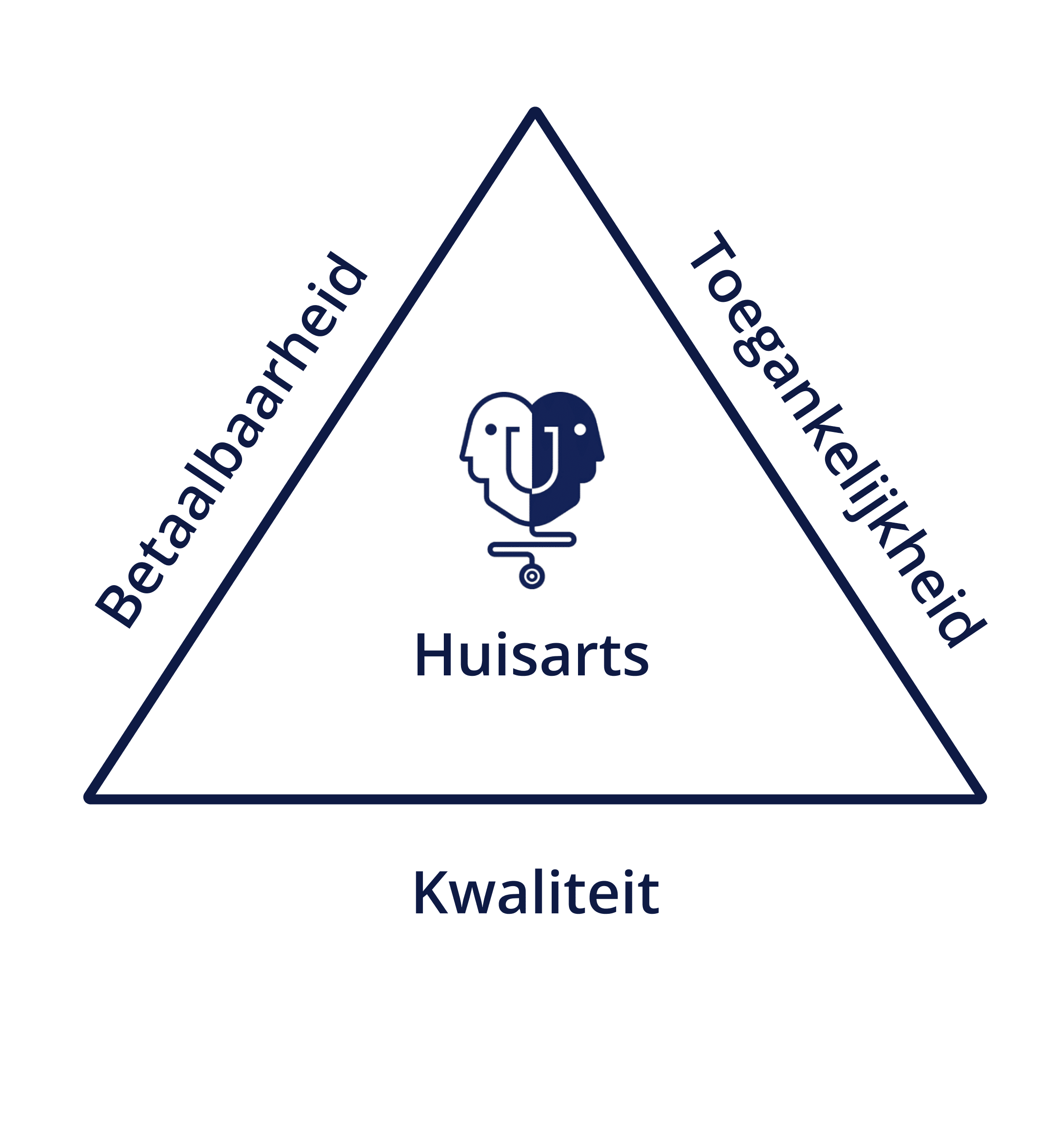
The Iron Triangle of Healthcare: Quality, Accessibility and Affordability The family physician stands at its centre. Mission and Vision Primary Care […]
Is the use of ADHD medication helpful and safe in children?
Is the use of ADHD medication helpful and safe in children? Reading time: 4 minutes. This article contains general information and does not replace […]
As a parent, how do you support your child with ADHD?

Busy behavior, difficulty concentrating and becoming easily overstimulated: these are typical challenges in children with ADHD. With a few practical […]
All writers
- Hanna Brems
- A Portrait of Erembodegem, a Belgian village
- ADHD
- Advice from the doctor
- African poetry
- AIDS activism and gay emancipation
- Allergie
- Bibliography of Chris
- Bibliography of Olivier
- Bibliography of Patrick
- Biography of Chris
- Biography of Olivier
- Biography of Patrick
- Blackout poetry
- Blogs
- Chris' Stage
- Columns
- Covid
- Dirk van Babylon Newsletter
- Double calling
- Essays
- Essays of Olivier
- Fragile light
- Hanna's Mind Wanderings
- Incapacity for work
- Late Pasquino's
- Lectures
- LEIF doctor
- Liechtensteiner
- Medical newsletter
- Memoirs of a general practitioner
- Miguel Molinos
- Moctines
- Musings
- Myriad
- Patrick's Stage
- Practice in Erembodegem
- Resignation
- Short Stories
- Sleep problems
- Sonnets
- Sprokkelmaand
- Substance abuse and addiction
- Synchronicities
- Travel
- Uncategorized
- Vi to
- Vögels
- Voluntary euthanasia
- Weltschmerz
- Wormwood or The dose makes the poison
- Pixel Savant
- A Portrait of Erembodegem, a Belgian village
- ADHD
- Advice from the doctor
- African poetry
- AIDS activism and gay emancipation
- Allergie
- Bibliography of Chris
- Bibliography of Olivier
- Bibliography of Patrick
- Biography of Chris
- Biography of Olivier
- Biography of Patrick
- Blackout poetry
- Blogs
- Chris' Stage
- Columns
- Covid
- Dirk van Babylon Newsletter
- Double calling
- Essays
- Essays of Olivier
- Fragile light
- Hanna's Mind Wanderings
- Incapacity for work
- Late Pasquino's
- Lectures
- LEIF doctor
- Liechtensteiner
- Medical newsletter
- Memoirs of a general practitioner
- Miguel Molinos
- Moctines
- Musings
- Myriad
- Patrick's Stage
- Practice in Erembodegem
- Resignation
- Short Stories
- Sleep problems
- Sonnets
- Sprokkelmaand
- Substance abuse and addiction
- Synchronicities
- Travel
- Uncategorized
- Vi to
- Vögels
- Voluntary euthanasia
- Weltschmerz
- Wormwood or The dose makes the poison
About the writer
Other works by our writers
- June 2026 (2)
- May 2026 (1)
- February 2026 (2)
- January 2026 (1)
- December 2025 (2)
- November 2025 (5)
- October 2025 (6)
- September 2025 (4)
- August 2025 (12)
- July 2025 (2)
- March 2025 (3)
- December 2024 (8)
- November 2024 (5)
- April 2024 (32)
- January 2024 (1)
- December 2023 (1)
- February 2022 (13)
- December 2021 (5)
- November 2021 (4)
- May 2021 (1)
- February 2021 (3)
- January 2021 (5)
No comments have been posted yet!