In the coming weeks, we will supplement the blog with a number of interviews that journalist Karolien Selhorst had with Dirk van Babylon. Each episode will address a current topic. You can read the third installment today. This time, it’s about domestic violence during the coronavirus pandemic.
Peter, how do you feel about the measure announced last week that we can only meet with four people?
“Personally, I find it incredibly difficult to choose which people I can and want to see. You can adjust that a little, but not endlessly. The idea is to cut off all the highways the virus can use to spread; so we have to form bubbles. I personally think it’s a useful strategy. It’s especially important for at-risk patients that they stick to the rules. So I’m worried when I hear Bart De Wever say that the economy needs to reopen as quickly as possible and that only sick people need to quarantine.”
Won’t that be to the detriment of the economy?
“For many, losing a portion of their income is hard. The coronavirus measures affect us all, but they serve a higher purpose. Namely, protecting the vulnerable in our society. We mustn’t forget that in some areas, we intervened too late. For example, in residential care centers. People died in some places, and that could have been avoided. All the attention in the first few weeks was focused on hospitals, and the residential care centers were forgotten as a result.”
Do you fear that some will have trouble interpreting the measures correctly?
“There are indeed a lot of misunderstandings about that. Many people – including my partner – have trouble understanding the rules. In addition, I note that there are others who question the rules and say, “The people who died from the coronavirus now were already sick and would have died anyway within six months or a year.” The question then, of course, is: are you going to fight for every life or are you going to look at which lives are worth protecting? That is a fundamental ethical choice. So we have to ask ourselves at the societal level: how is our society going to deal with this and what will the decision be? Do we go for sacrificing a few victims or do we go for saving as many lives as possible and then we have to give up a piece of our freedom. That’s the big dilemma we face.”
So everyone must take responsibility and give up a bit of freedom?
Yes, and that’s not always easy. Yet, most people have adapted remarkably well to the measures in recent months. Now, however, we’re seeing protests and community spirit being compromised. For many people, it’s been enough. So now we have to see if we can maintain that consensus. However, if there’s a second peak of the virus, we can forget it entirely.
Do you think there could be a second wave?
The possibility certainly exists. I predict the virus will remain present in the population and that there will be occasional local outbreaks: once in Ostend, once in Antwerp, etc., and that we will then have to test and isolate with all the resources we have. So we’ll have to put out fires for a long time to come. I think so. You have to understand that this virus won’t simply disappear. We shouldn’t immediately fear the collapse of the healthcare system, but the virus could flare up again at any moment if we allow mass events. For example, the deaths in Bergamo, Italy, was due to a football match that had previously been played in Milan. A number of people from Bergamo had attended the match in Milan, were infected there, returned, and massively infected others in their hometown. At one point, Bergamo was seeing as many as 80 deaths per day. This illustrates that we can’t fully imagine how exponentially a virus spreads in a crowded environment.
Conclusion: so we must remain cautious.
“Yes, until there is a vaccine. Probably there will be within a year. But we are nowhere near that point. So weigh carefully for yourself: what is best for me individually and what is best for society. That’s where the big tension is.”
Written by Karolien Selhorst.
Latest contributions
Mission and Vision of Dr. Van Breusegem
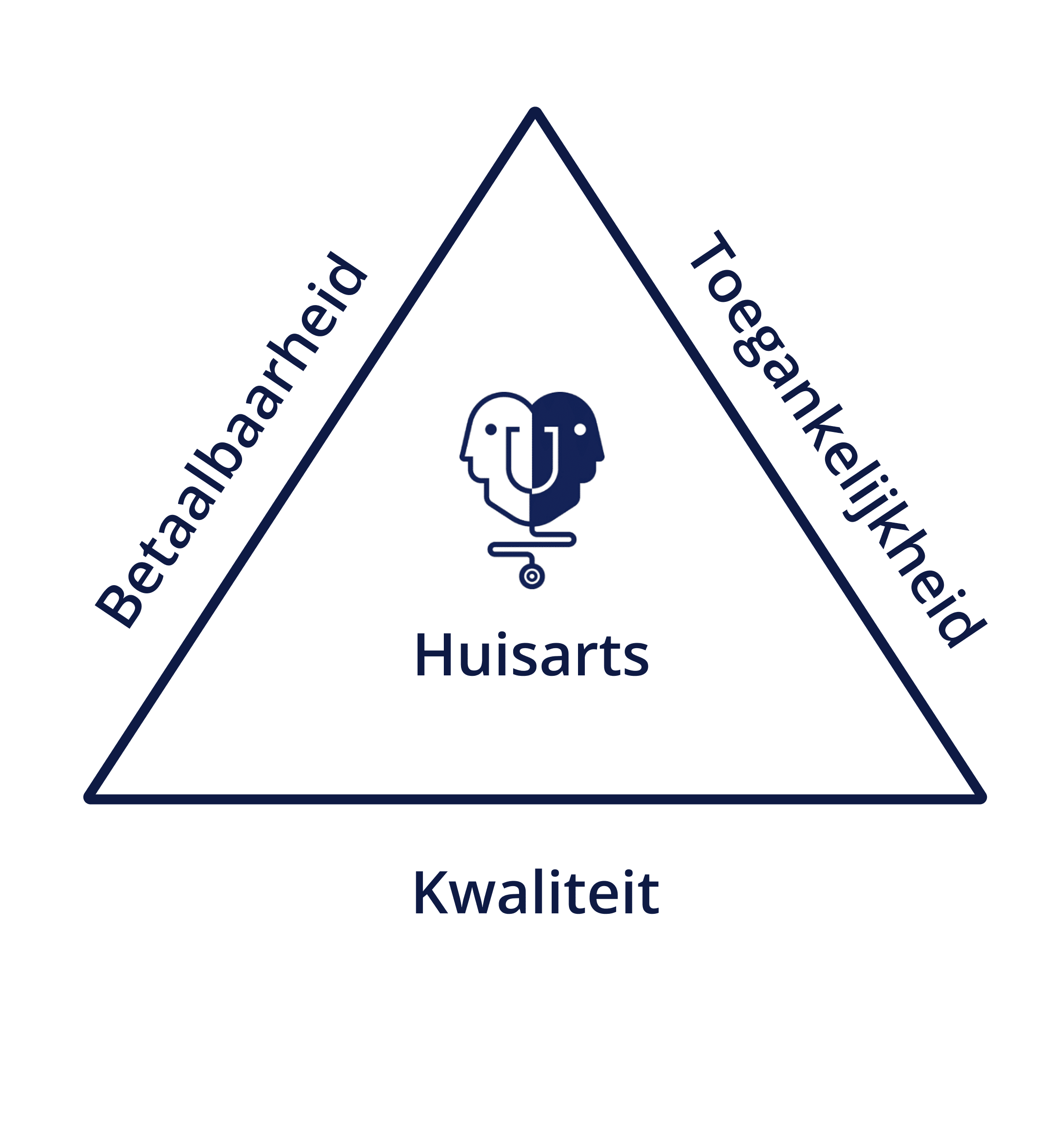
The Iron Triangle of Healthcare: Quality, Accessibility and Affordability The family physician stands at its centre. Mission and Vision Primary Care […]
Is the use of ADHD medication helpful and safe in children?
Is the use of ADHD medication helpful and safe in children? Reading time: 4 minutes. This article contains general information and does not replace […]
School and Homework for Children with ADHD

School and Homework for Children with ADHD Reading time: 4–5 minutes. This article provides general information and does not replace professional […]

About the writer

Other works by our writers
- June 2026 (2)
- May 2026 (1)
- February 2026 (2)
- January 2026 (1)
- December 2025 (2)
- November 2025 (5)
- October 2025 (6)
- September 2025 (4)
- August 2025 (12)
- July 2025 (2)
- March 2025 (3)
- December 2024 (8)
- November 2024 (5)
- April 2024 (32)
- January 2024 (1)
- December 2023 (1)
- February 2022 (13)
- December 2021 (5)
- November 2021 (4)
- May 2021 (1)
- February 2021 (3)
- January 2021 (5)
No comments have been posted yet!