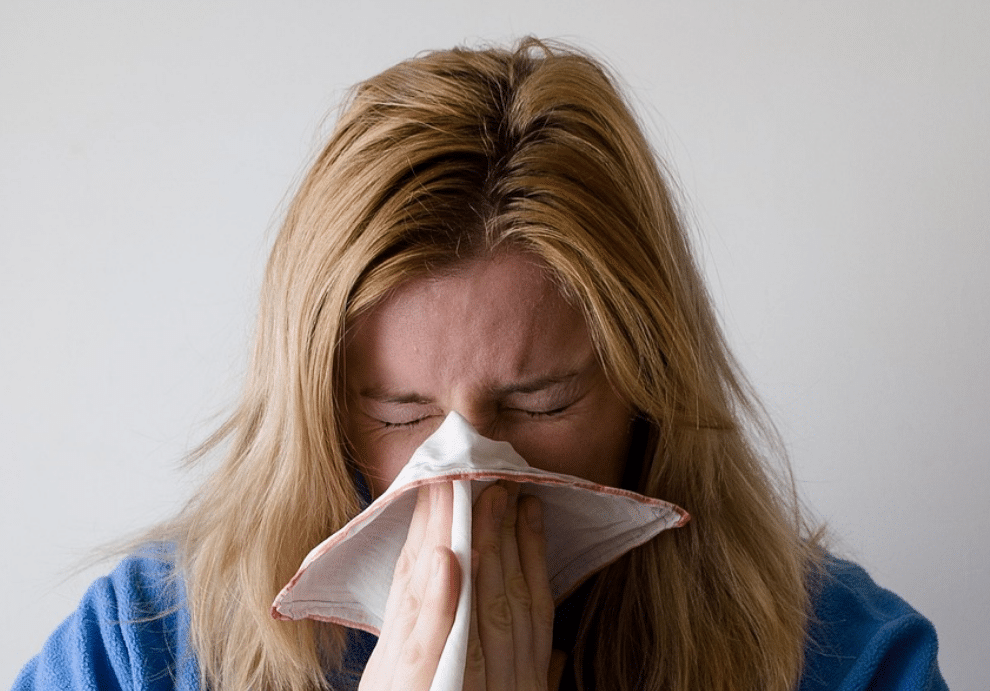
What Can You Do About House Dust Mite Allergy?
5 Practical Measures That Really Make a Difference
Reading time: 5 minutes
The previous article discussed what house dust mite allergy actually is and the symptoms it can cause. When such an allergy is diagnosed in a patient, almost invariably the same question follows: what can I do about it myself? The good news is that there is quite a lot you can do at home to reduce your exposure to allergens. The key lies primarily in one room: your bedroom. This is where most house dust mites are found. The aim is not to eliminate every mite from your home – that is virtually impossible – but to keep their numbers and the quantity of allergens they produce as low as possible.
Tip 1: Wash bedding at 60 degrees
The first and most important measure is simple: wash your bedding regularly at a sufficiently high temperature. Pillowcases, fitted sheets and duvet covers should ideally be washed weekly at sixty degrees. It is only at this temperature that house dust mites and their eggs are effectively destroyed. Washable pillows and duvets can be washed at the same temperature every two to three months. This requires a little discipline, but many patients notice that their symptoms already improve as a result.
Some detergents claim to kill house dust mites, but in reality it is primarily the temperature that makes the difference. Without sufficient heat, house dust mites and their eggs often simply survive, regardless of which detergent you use. Washing at sixty degrees therefore remains the most reliable way of combating them.
Tip 2: Use allergen-proof covers
Allergen-proof covers for mattresses, pillows and duvets are also recommended. These covers have a very fine weave that prevents allergens from passing through. The mites and their droppings are effectively sealed inside the mattress or pillow, while you lie on top and no longer inhale the allergens. Combined with regular washing of your bedding, this can make a noticeable difference.
Tip 3: Pay attention to humidity
Apart from food, house dust mites particularly need moisture to survive. They absorb moisture through their skin and are therefore highly dependent on the humidity inside your home. They thrive best at a relative humidity above approximately fifty to sixty per cent. It is therefore important to ventilate rooms properly, even in winter.
A simple habit can already help: open the window for a while in the morning to let out the moisture that has accumulated overnight. Also avoid drying wet towels or clothes in the bedroom. If humidity problems persist, a dehumidifier may be useful, although proper, regular ventilation remains the most important measure.
Tip 4: Clean intelligently, not intensively
Many people think that intensive cleaning is the solution. But here, too, the way you clean is what really matters. Dry dusting or simply vacuuming can actually stir up dust. This causes allergens to become airborne again. It is therefore better to use a damp cloth or a microfibre cloth to wipe surfaces.
When vacuuming, it is best to choose a machine equipped with a HEPA filter, which also traps very small dust particles. Carpets, heavy curtains and upholstered furniture also retain a great deal of dust. Wherever possible, it makes sense to limit their use or clean them thoroughly on a regular basis.
Tip 5: Medical treatment, if necessary
If symptoms persist despite these measures, it is advisable to consult your GP. The pattern of symptoms often provides sufficient grounds for a preliminary diagnosis. Symptoms that occur mainly indoors, at night or in the morning frequently point towards house dust mite allergy.
If necessary, allergy tests can confirm the diagnosis. Medication cannot eliminate the allergy itself, but it can reduce the inflammatory reaction in the mucous membranes. As a result, symptoms such as sneezing, nasal congestion and itching can be significantly alleviated.
In cases of severe or persistent symptoms, an allergist may consider immunotherapy. This gradually makes the immune system less sensitive to the allergen.
Finally
House dust mite allergy can be extremely troublesome, but in many cases it can be managed successfully. With a number of targeted measures – particularly in the bedroom – many people succeed in significantly reducing their symptoms. If symptoms nevertheless persist, medical guidance can help bring the allergy under better control. In any case, you do not have to resign yourself to living with it.
Latest contributions
What Is House Dust Mite Allergy?

House Dust Mites: An Invisible Cause of Chronic Nasal and Respiratory Complaints Reading time: 4 minutes This article contains general information […]
Mission and Vision of Dr. Van Breusegem
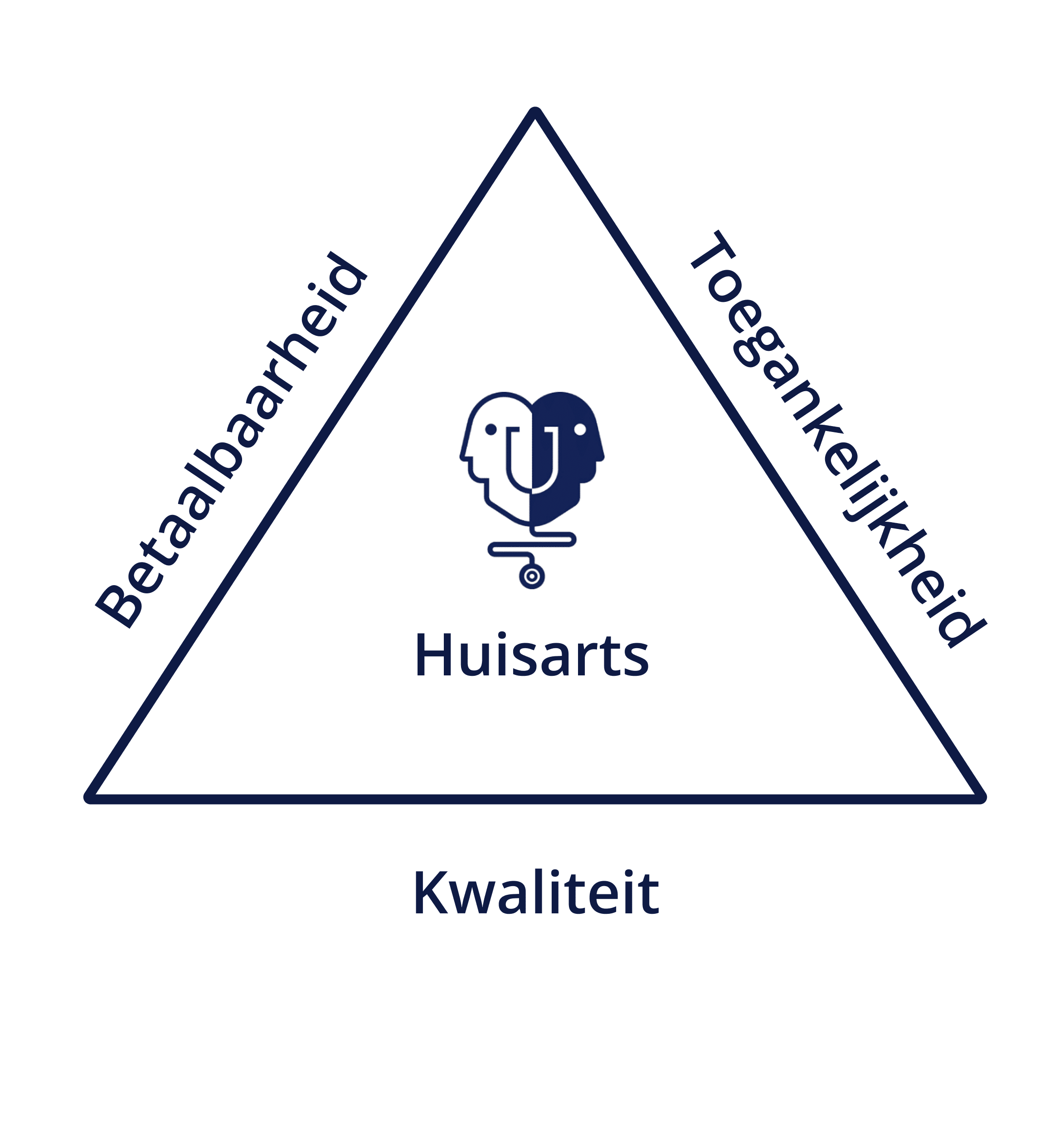
The Iron Triangle of Healthcare: Quality, Accessibility and Affordability The family physician stands at its centre. Mission and Vision Primary Care […]
Is the use of ADHD medication helpful and safe in children?
Is the use of ADHD medication helpful and safe in children? Reading time: 4 minutes. This article contains general information and does not replace […]

All writers
- Hanna Brems
- A Portrait of Erembodegem, a Belgian village
- ADHD
- Advice from the doctor
- African poetry
- AIDS activism and gay emancipation
- Allergie
- Bibliography of Chris
- Bibliography of Olivier
- Bibliography of Patrick
- Biography of Chris
- Biography of Olivier
- Biography of Patrick
- Blackout poetry
- Blogs
- Chris' Stage
- Columns
- Covid
- Dirk van Babylon Newsletter
- Double calling
- Essays
- Essays of Olivier
- Fragile light
- Hanna's Mind Wanderings
- Incapacity for work
- Late Pasquino's
- Lectures
- LEIF doctor
- Liechtensteiner
- Medical newsletter
- Memoirs of a general practitioner
- Miguel Molinos
- Moctines
- Musings
- Myriad
- Patrick's Stage
- Practice in Erembodegem
- Resignation
- Short Stories
- Sleep problems
- Sonnets
- Sprokkelmaand
- Substance abuse and addiction
- Synchronicities
- Travel
- Uncategorized
- Vi to
- Vögels
- Voluntary euthanasia
- Weltschmerz
- Wormwood or The dose makes the poison
- Pixel Savant
- A Portrait of Erembodegem, a Belgian village
- ADHD
- Advice from the doctor
- African poetry
- AIDS activism and gay emancipation
- Allergie
- Bibliography of Chris
- Bibliography of Olivier
- Bibliography of Patrick
- Biography of Chris
- Biography of Olivier
- Biography of Patrick
- Blackout poetry
- Blogs
- Chris' Stage
- Columns
- Covid
- Dirk van Babylon Newsletter
- Double calling
- Essays
- Essays of Olivier
- Fragile light
- Hanna's Mind Wanderings
- Incapacity for work
- Late Pasquino's
- Lectures
- LEIF doctor
- Liechtensteiner
- Medical newsletter
- Memoirs of a general practitioner
- Miguel Molinos
- Moctines
- Musings
- Myriad
- Patrick's Stage
- Practice in Erembodegem
- Resignation
- Short Stories
- Sleep problems
- Sonnets
- Sprokkelmaand
- Substance abuse and addiction
- Synchronicities
- Travel
- Uncategorized
- Vi to
- Vögels
- Voluntary euthanasia
- Weltschmerz
- Wormwood or The dose makes the poison
About the writer

Other works by our writers
- June 2026 (2)
- May 2026 (3)
- March 2026 (2)
- February 2026 (2)
- January 2026 (1)
- December 2025 (2)
- November 2025 (5)
- October 2025 (6)
- September 2025 (4)
- August 2025 (12)
- July 2025 (2)
- March 2025 (3)
- December 2024 (8)
- November 2024 (5)
- April 2024 (32)
- January 2024 (1)
- December 2023 (1)
- February 2022 (13)
- December 2021 (5)
- November 2021 (4)
- May 2021 (1)
- February 2021 (3)
- January 2021 (5)
- December 2020 (1)
No comments have been posted yet!