
House Dust Mites: An Invisible Cause of Chronic Nasal and Respiratory Complaints
Reading time: 4 minutes
This article contains general information and is not a substitute for professional medical advice. If you have questions or persistent symptoms, always consult a doctor.
In my practice, I regularly see patients who have been living with the same complaints for years: a blocked nose, sneezing fits in the morning, itchy eyes or a vague feeling of breathlessness. Many people think this is simply part of who they are. They describe themselves as “prone to colds” or “always a little allergic”. Quite often, the underlying cause turns out to be house dust mite allergy. It is one of the most common allergies, yet also one that frequently goes undetected for a long time.
A microscopic creature in almost every home
The house dust mite is a tiny arachnid, related to spiders and ticks. It measures approximately 0.3 millimetres and is therefore invisible to the naked eye. Nevertheless, house dust mites live in almost every home, often in considerable numbers. It is important to clear up one misconception straight away: house dust mites do not bite and do not spread infections. The symptoms are not caused by the creature itself, but by the reaction of our immune system to substances it produces. In particular, house dust mite droppings contain proteins that can trigger an allergic reaction in sensitive individuals.
Why particularly in the bedroom?
House dust mites feed on our dead skin cells. This may sound strange, but biologically it is a remarkably efficient system: humans constantly shed tiny particles of skin, day and night. These skin flakes accumulate mainly in our bedding – mattresses, pillows and duvets. There, they are partially broken down by bacteria that naturally live on our skin. This makes them even easier for house dust mites to digest.
Our bed therefore provides an ideal habitat: food, warmth and moisture are all readily available. During the night, after all, we also lose moisture through breathing and perspiration. A warm, slightly humid microclimate develops inside the mattress, providing excellent conditions for house dust mites to multiply. A female house dust mite lives for an average of two to three months and lays between sixty and a hundred eggs during that period. Since successive generations follow one another rapidly, a population can grow considerably in a relatively short time.
How do house dust mites cause allergic symptoms?
The allergic reaction is caused primarily by microscopic particles from house dust mite droppings. Each mite produces several of these particles every day. When they dry out, they mix with household dust. When making the bed, moving around the room or even through minor air currents, these particles become airborne again. When someone with an allergic predisposition inhales them, the immune system responds with an inflammatory reaction in the mucous membranes.
This can lead to symptoms such as:
- Sneezing, particularly in the morning
- A chronically blocked nose
- Itchy or watery eyes
- Eczema
- Coughing, wheezing or shortness of breath
In people with asthma, in particular, house dust mite allergy can significantly aggravate their symptoms.
Not imaginary, but a genuine inflammatory reaction
During consultations, I sometimes notice that patients play down their symptoms. They feel they are making a fuss about nothing, or that it is “just a bit of sniffing”. But an allergy is not imaginary. It is a measurable inflammatory reaction of the immune system to a substance that is harmless to most people. Those who are sensitive to house dust mites can therefore experience symptoms for years without knowing where they come from. Fortunately, there is often a great deal that can be done to improve the situation simply by reducing exposure to house dust mites. I will discuss the practical steps involved in the next article.
Latest contributions
Mission and Vision of Dr. Van Breusegem
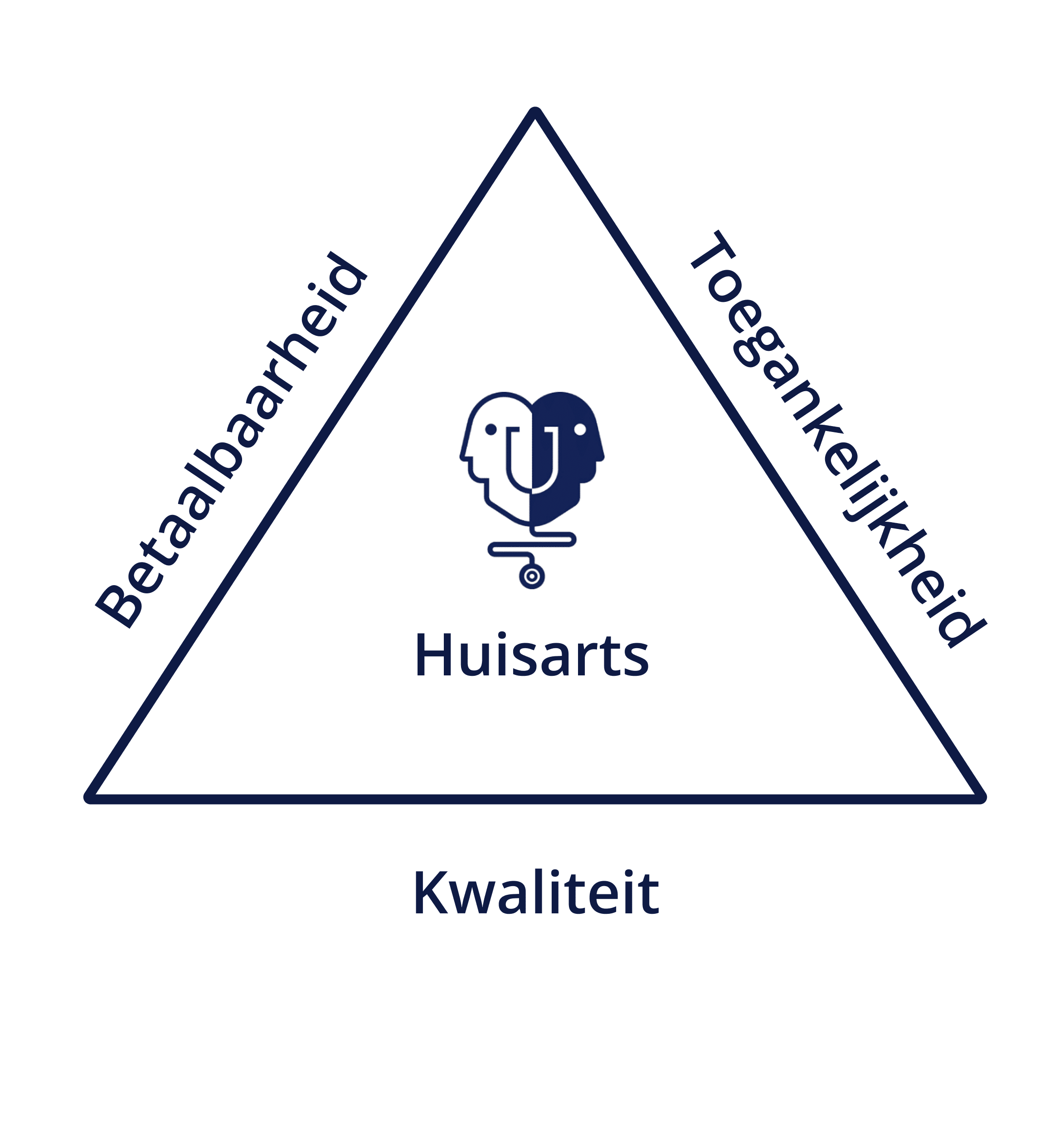
The Iron Triangle of Healthcare: Quality, Accessibility and Affordability The family physician stands at its centre. Mission and Vision Primary Care […]
Is the use of ADHD medication helpful and safe in children?

Is the use of ADHD medication helpful and safe in children? Reading time: 4 minutes. This article contains general information and does not replace […]
School and Homework for Children with ADHD

School and Homework for Children with ADHD Reading time: 4–5 minutes. This article provides general information and does not replace professional […]

All writers
- Hanna Brems
- A Portrait of Erembodegem, a Belgian village
- ADHD
- Advice from the doctor
- African poetry
- AIDS activism and gay emancipation
- Allergie
- Bibliography of Chris
- Bibliography of Olivier
- Bibliography of Patrick
- Biography of Chris
- Biography of Olivier
- Biography of Patrick
- Blackout poetry
- Blogs
- Chris' Stage
- Columns
- Covid
- Dirk van Babylon Newsletter
- Double calling
- Essays
- Essays of Olivier
- Fragile light
- Hanna's Mind Wanderings
- Incapacity for work
- Late Pasquino's
- Lectures
- LEIF doctor
- Liechtensteiner
- Medical newsletter
- Memoirs of a general practitioner
- Miguel Molinos
- Moctines
- Musings
- Myriad
- Patrick's Stage
- Practice in Erembodegem
- Resignation
- Short Stories
- Sleep problems
- Sonnets
- Sprokkelmaand
- Substance abuse and addiction
- Synchronicities
- Travel
- Uncategorized
- Vi to
- Vögels
- Voluntary euthanasia
- Weltschmerz
- Wormwood or The dose makes the poison
- Pixel Savant
- A Portrait of Erembodegem, a Belgian village
- ADHD
- Advice from the doctor
- African poetry
- AIDS activism and gay emancipation
- Allergie
- Bibliography of Chris
- Bibliography of Olivier
- Bibliography of Patrick
- Biography of Chris
- Biography of Olivier
- Biography of Patrick
- Blackout poetry
- Blogs
- Chris' Stage
- Columns
- Covid
- Dirk van Babylon Newsletter
- Double calling
- Essays
- Essays of Olivier
- Fragile light
- Hanna's Mind Wanderings
- Incapacity for work
- Late Pasquino's
- Lectures
- LEIF doctor
- Liechtensteiner
- Medical newsletter
- Memoirs of a general practitioner
- Miguel Molinos
- Moctines
- Musings
- Myriad
- Patrick's Stage
- Practice in Erembodegem
- Resignation
- Short Stories
- Sleep problems
- Sonnets
- Sprokkelmaand
- Substance abuse and addiction
- Synchronicities
- Travel
- Uncategorized
- Vi to
- Vögels
- Voluntary euthanasia
- Weltschmerz
- Wormwood or The dose makes the poison
About the writer

Other works by our writers
- June 2026 (2)
- May 2026 (3)
- March 2026 (1)
- February 2026 (2)
- January 2026 (1)
- December 2025 (2)
- November 2025 (5)
- October 2025 (6)
- September 2025 (4)
- August 2025 (12)
- July 2025 (2)
- March 2025 (3)
- December 2024 (8)
- November 2024 (5)
- April 2024 (32)
- January 2024 (1)
- December 2023 (1)
- February 2022 (13)
- December 2021 (5)
- November 2021 (4)
- May 2021 (1)
- February 2021 (3)
- January 2021 (5)
- December 2020 (1)
No comments have been posted yet!