Peter Van Breusegem, aka Dirk of Babylon, has compiled a book consisting of the letters his parents wrote to each other during their engagement. He would like to realize and publish this work with your help. To give you a preview, we had a conversation with the author.
Peter, what is Vi to about?
“It portrays the Flanders of the 1950s, the time preceding my birth. In addition, it is about the engagement period of my parents who, as was common at the time, wrote each other a lot of letters. Because they had few opportunities to communicate with each other in other ways, letter writing had an important function for them.
The phrase “Vi To” means “we two,” and refers to a Norwegian trilogy “It began on a Midsummer Night,” written for Olav Gullvåg in 1937. It is the story of a tragic love between a poor servant and a rich farmer’s daughter, who will carry through her will and fight her father. It was a book particularly close to their hearts.
In the letters you can also already see a foreshadowing of my mother’s illness. She developed MS after their marriage, and symptoms of that are already visible in the text, without their being aware of how it would turn out later. For example, at one point she writes that she has trouble standing up and that she is very tired, and we can surmise that those were already early manifestations of her disease.”
Why did you compile that book?
“The letters were in two cookie boxes that were given to me by my father 40 years ago, when he was still alive. He then extracted from me the promise not to open the boxes before his death. So he did want the letters to be read, but not during his lifetime.
I was so impressed with the quality of the text of those letters that I decided to publish them. They are beautiful and extremely moving to read. At some point I asked myself whether it was worth letting others read them and so I asked and received feedback from a few people who know a little about them. This was positive and so I decided to publish the letters.
For me it is not only a document that reflects the spirit of the time and outlines the environment from which I come, but it is also the basis of my own personal life. In the letters, my parents were already talking about their intention to have children, and the name of their first child was to be Peter, the name of my grandfather who was named Peter.
That gives me the special feeling of being the child of love between my parents. So if I’m there today, it’s because those two people loved each other so much. And I want to share that feeling with the rest of the world. The great thing is also that in my father I perceive a writer and poet, something that eluded me during his life. The man had an extraordinary talent for depicting things and describing feelings.
I always thought my father was not at all good at expressing emotions. So through the letters I discovered a completely different aspect of him. It’s just unfortunate that I only found that out after his death. During his life, I never managed to write him any stories or poems.”
Your Aunt Dina also contributed to the manuscript. What exactly did she do?
“My Aunt Dina experienced her adolescence during that period and she witnessed my parents’ engagement. She was the younger half-sister of my mother, who was a very dynamic, sprightly and talented young lady. I found it very fascinating to include the point of view of that younger sister commenting on the events. It creates an additional point of view that gives more depth to the story.
The story of Dina herself is again tragic, because during the period in which the book is set, in the early 1950s, she was taken to boarding school where she was miserable to death, having to miss her mother’s cooking and tenderness. Today’s reader feels particularly well the tragedy of that younger sister, who did not feel understood and accepted in the family in which my mother also grew up.
In a letter from my mother to my father, we find out how my mother felt toward that younger sister, and that does create a nice insight into the relationship between the three characters.”
You want to finance the book with a crowdfunding campaign. Can you say a little more about that?
“We will market, publish and offer the book to the public. We are going to start publishing short excerpts from the manuscript on the website right now to whet the potential reader’s appetite for reading.
Why subscribe to the crowdfunding campaign? I can list numerous reasons. It is a beautiful, moving and tragic book, taken from the life of last century, with a laugh and a tear. So I think it is well worth reading. It is certainly interesting for people with an interest in the time period and the environment in which it takes place, post-war Catholic Flanders, where pastors were still in charge. So people can soak up that zeitgeist when they read the book. In short, it is an extraordinary book that should be read and is necessary.”
Why should I read the book?
“It tells the small history of simple people. And that is also the beauty of it. As a reader, you can enter into the intimacy of that couple back then. I think my parents come out of that very dignified, with their weaknesses admittedly, but also as authentic people with deep, warm feelings for each other and with goals in their lives. For example, they had a lot of “appetite” to start life and start a family. Unfortunately, their zest for life is overshadowed by my mother’s illness, which we later find out will be fatal to her.”
Suppose your parents were alive today. Do you have a message for them anno 2021?
“Yes, I would certainly tell my father that I underestimated him. I do regret not being able to show him proper appreciation in life. I was always a rebellious young person, partly due to my mother’s caregiving situation, and I regret that I was never able to tell my father how much I liked what he wrote. On the other hand, I am glad I eventually reconciled with my father.”
My mother is a different story. She died when I was 18. I always knew her to be sick. I never knew her to step except for a few crooked steps on the arm of the physiotherapist who later became my second mother. My biological mother was important to me though, in part because of the care situation I was called into, and I received visits from her for years after her death.
At difficult times in my life, she somehow passed by in my dreams or in chance encounters, in an excerpt from a book, etc. From time to time I could clearly feel her presence. That was very special and there was great comfort from that.
At some point, however, I dreamed that she was in heaven and that she was happy and healthy there. Then it was done. Since then, I have become a much happier person and feel that she may rest and that she should not tire herself for me. After that she never came to me again. Not in that mystical way anyway with that strange presence I could feel. I am at peace with that now, but it took years.
The book reveals her as an enterprising, persuasive and free-spirited woman who was remarkably mobile and business-minded for the time. It made her illness all the more tragic.”
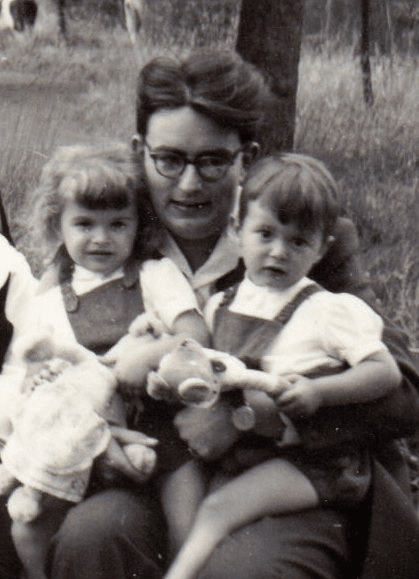
Note: The photo shows Peter, his sister and his father.
Latest contributions
Introducing Miguel Molinos, the Last Heretic
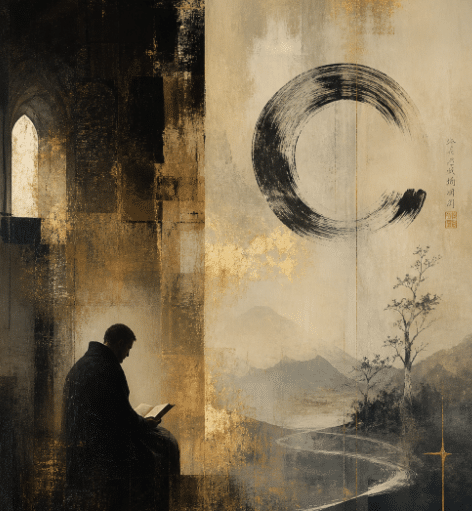
Introducing Miguel Molinos, the Last Heretic – by Dirk van BABYLON (English translation) Miguel Molinos, the Last Heretic Rome, seventeenth […]
Miguel Molinos, the last heretic
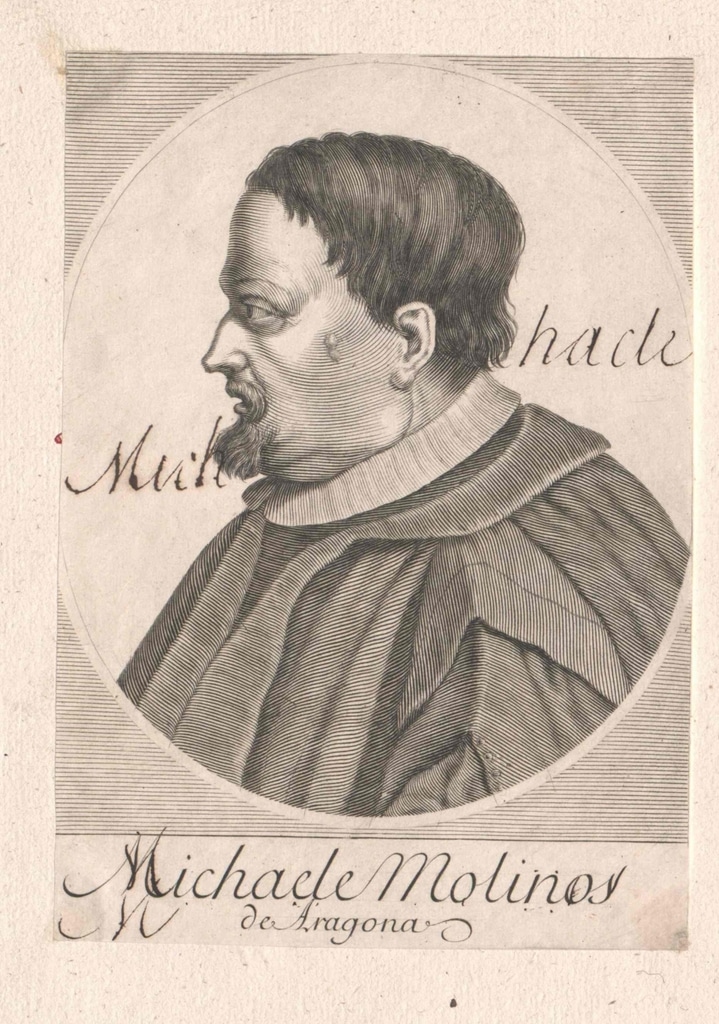
Miguel Molinos, the last heretic (Dutch audio drama) Rome, seventeenth century. At a time of religious unrest and sharp ecclesiastical control, a […]
Back from the road – Florida
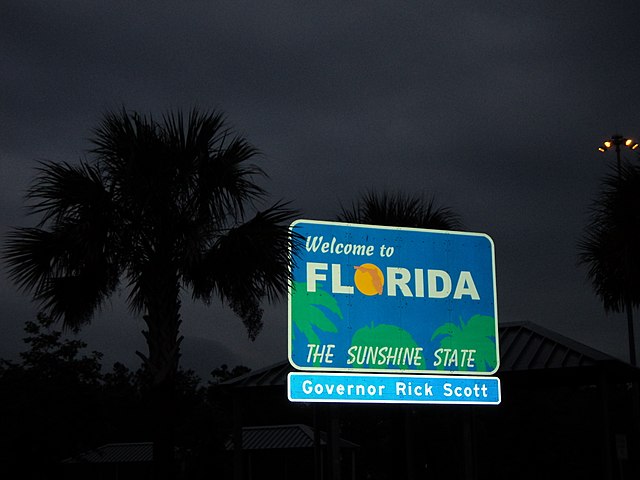
Florida Was Wonderful I don’t love America as a power, but I adore Americans. The way they interact with each other—we cold Northern […]
About the writer
Other works by our writers
- June 2026 (2)
- May 2026 (1)
- February 2026 (2)
- January 2026 (1)
- December 2025 (2)
- November 2025 (5)
- October 2025 (6)
- September 2025 (4)
- August 2025 (12)
- July 2025 (2)
- March 2025 (3)
- December 2024 (8)
- November 2024 (5)
- April 2024 (32)
- January 2024 (1)
- December 2023 (1)
- February 2022 (13)
- December 2021 (5)
- November 2021 (4)
- May 2021 (1)
- February 2021 (3)
- January 2021 (5)
No comments have been posted yet!