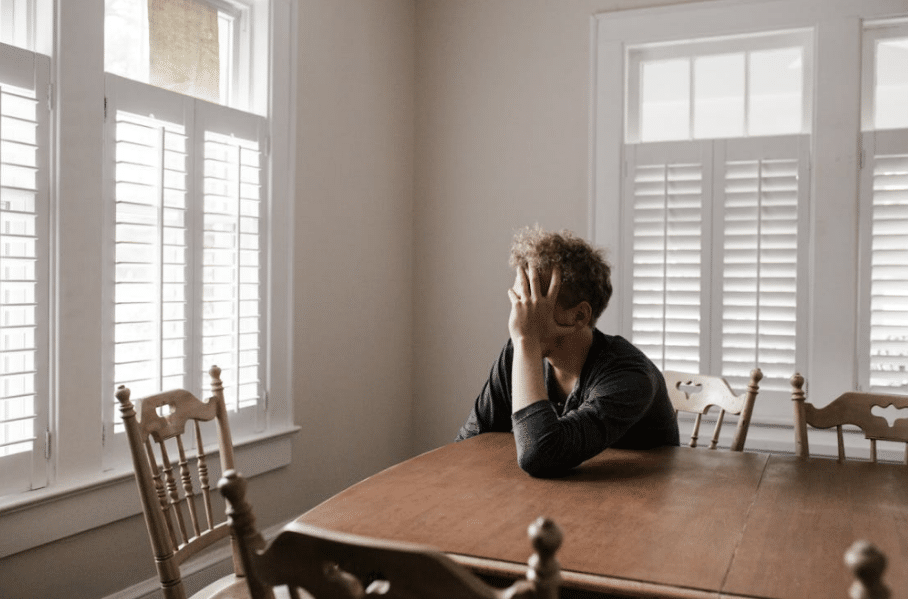
ADHD in children and adults
Reading Time: 3 minutes.
This article contains general information and does not replace professional medical advice. Always consult a physician or practitioner with any questions or concerns.
ADHD cannot cure you nor does it disappear with age. In general, symptoms do evolve. Hyperactivity usually decreases, while problems with attention and impulsivity remain persistent.
From hyperactivity to inner turmoil
Children with ADHD often struggle with physical restlessness: they have difficulty sitting still or being quiet. With age, this “wobbliness” shifts more to a kind of inner restlessness. Adults with ADHD often experience feelings of agitation and have difficulty relaxing, even at times when there is nothing urgent to do. Some seek this tension unconsciously – for example, by constantly starting new projects, multitasking or working late.
Concentration problems and impulsivity
Attention and concentration – characteristics that often go hand in hand with physical restlessness – remain the greatest challenge for many adults with ADHD. They have difficulty planning tasks, keeping track and setting priorities. They often start something enthusiastically, but lose focus along the way or put it off. Notes disappear, keys get lost, projects remain half started … and one incoming notification on the smartphone is sometimes enough to completely change course.
Impulsivity also remains present. It becomes more subtle, but remains noticeable: suddenly making a big purchase, changing jobs without thinking twice, or saying something in a conversation that would have been better left unspoken later. This combination of concentration problems and impulsivity means that many adults with ADHD are constantly balancing between enthusiasm and overstimulation. That can be tough, both privately and professionally.
Challenges in daily life
Failure to recognize or treat ADHD in adults can lead to problems in many areas. Professionally, these individuals struggle to meet deadlines, complete projects or concentrate in a busy work environment. Lack of structure or stimulating conditions can make functioning significantly difficult.
ADHD also makes itself felt in relationships. Impulsivity, reacting quickly without thinking or having trouble listening attentively can cause tension, both in friendships and in partner relationships. The same impulsiveness can also manifest itself in financial behavior: unexpected purchases, difficulty in planning or budgeting and a poor overview of money matters are common.
There is also an increased risk of additional mental health problems, such as anxiety disorders, depression or addictive behaviors. Chronic stress and low self-esteem – often the result of years of negative experiences or misunderstanding – compound that risk.
With proper guidance (with or without medication) and understanding from the environment, adults with ADHD can learn to cope with their challenges and play to their strengths. ADHD does not go away, but a well-tuned course can make the difference between continued survival and full functioning.
Learn more
Article on thuisarts.nl about the core symptoms of ADHD and treatment. Consulted on 9/10/2025
More detailed explanation at hersenstichting.nl, including background information on ADHD, its symptoms and treatment. Accessed 9/10/2025
ZitStil is a Flemish initiative for people with ADHD. You will find extensive information there as well. Consulted on 9/10/2025
Latest contributions
What Is House Dust Mite Allergy?

House Dust Mites: An Invisible Cause of Chronic Nasal and Respiratory Complaints Reading time: 4 minutes This article contains general information […]
What Can You Do About House Dust Mite Allergy?
What Can You Do About House Dust Mite Allergy? 5 Practical Measures That Really Make a Difference Reading time: 5 minutes The previous article […]
Mission and Vision of Dr. Van Breusegem
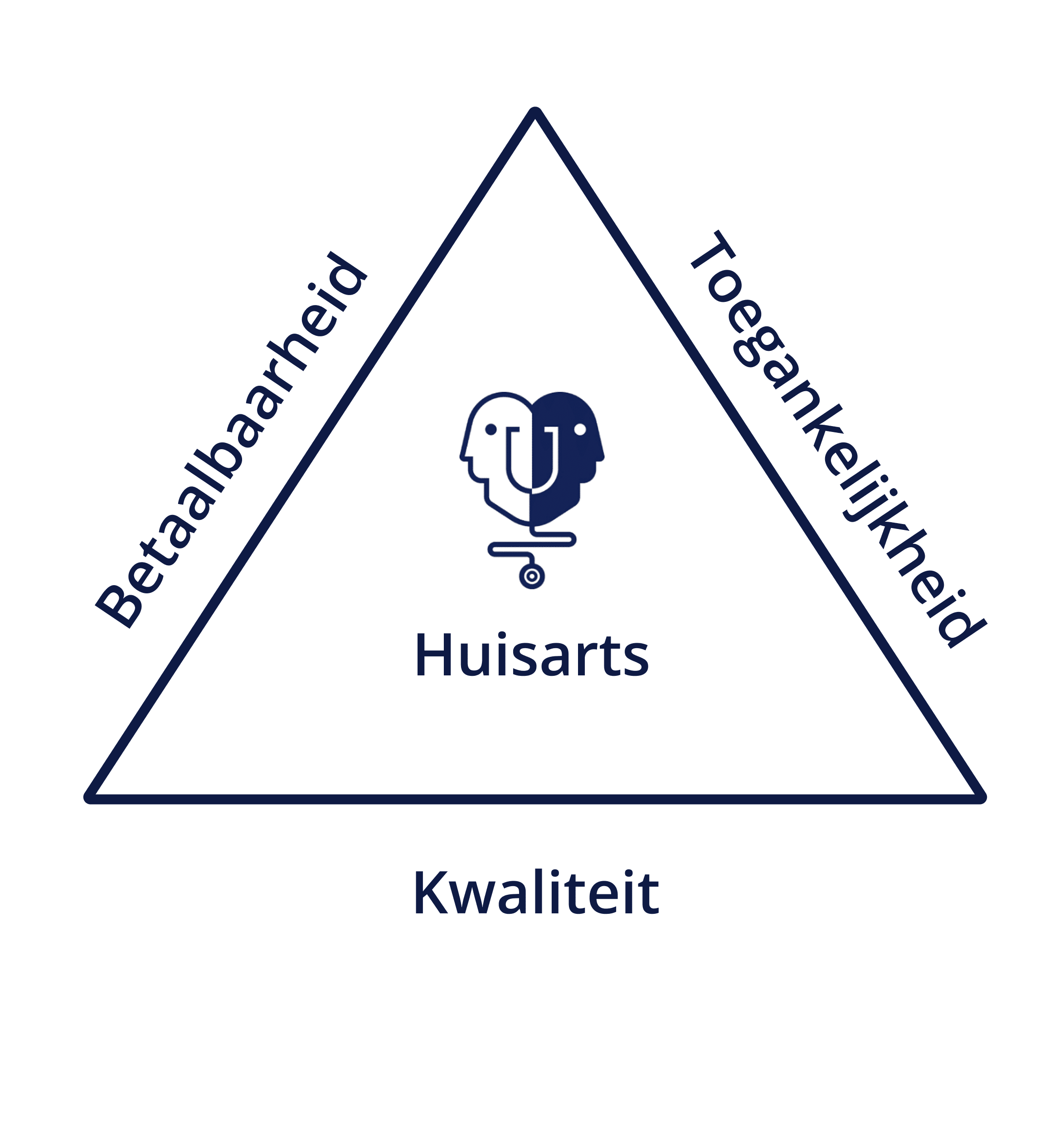
The Iron Triangle of Healthcare: Quality, Accessibility and Affordability The family physician stands at its centre. Mission and Vision Primary Care […]

All writers
- Hanna Brems
- A Portrait of Erembodegem, a Belgian village
- ADHD
- Advice from the doctor
- African poetry
- AIDS activism and gay emancipation
- Allergie
- Bibliography of Chris
- Bibliography of Olivier
- Bibliography of Patrick
- Biography of Chris
- Biography of Olivier
- Biography of Patrick
- Blackout poetry
- Blogs
- Chris' Stage
- Columns
- Covid
- Dirk van Babylon Newsletter
- Double calling
- Essays
- Essays of Olivier
- Fragile light
- Hanna's Mind Wanderings
- Incapacity for work
- Late Pasquino's
- Lectures
- LEIF doctor
- Liechtensteiner
- Medical newsletter
- Memoirs of a general practitioner
- Miguel Molinos
- Moctines
- Musings
- Myriad
- Patrick's Stage
- Practice in Erembodegem
- Resignation
- Short Stories
- Sleep problems
- Sonnets
- Sprokkelmaand
- Substance abuse and addiction
- Synchronicities
- Travel
- Uncategorized
- Vi to
- Vögels
- Voluntary euthanasia
- Weltschmerz
- Wormwood or The dose makes the poison
- Pixel Savant
- A Portrait of Erembodegem, a Belgian village
- ADHD
- Advice from the doctor
- African poetry
- AIDS activism and gay emancipation
- Allergie
- Bibliography of Chris
- Bibliography of Olivier
- Bibliography of Patrick
- Biography of Chris
- Biography of Olivier
- Biography of Patrick
- Blackout poetry
- Blogs
- Chris' Stage
- Columns
- Covid
- Dirk van Babylon Newsletter
- Double calling
- Essays
- Essays of Olivier
- Fragile light
- Hanna's Mind Wanderings
- Incapacity for work
- Late Pasquino's
- Lectures
- LEIF doctor
- Liechtensteiner
- Medical newsletter
- Memoirs of a general practitioner
- Miguel Molinos
- Moctines
- Musings
- Myriad
- Patrick's Stage
- Practice in Erembodegem
- Resignation
- Short Stories
- Sleep problems
- Sonnets
- Sprokkelmaand
- Substance abuse and addiction
- Synchronicities
- Travel
- Uncategorized
- Vi to
- Vögels
- Voluntary euthanasia
- Weltschmerz
- Wormwood or The dose makes the poison
About the writer

Other works by our writers
- June 2026 (2)
- May 2026 (3)
- March 2026 (2)
- February 2026 (2)
- January 2026 (1)
- December 2025 (3)
- November 2025 (11)
- October 2025 (7)
- September 2025 (4)
- August 2025 (21)
- July 2025 (2)
- June 2025 (1)
- May 2025 (1)
- March 2025 (3)
- December 2024 (8)
- November 2024 (5)
- June 2024 (1)
- May 2024 (1)
- April 2024 (58)
- January 2024 (1)
- December 2023 (1)
- February 2022 (13)
- December 2021 (5)
- November 2021 (4)
- May 2021 (1)
- February 2021 (3)
- January 2021 (5)
- December 2020 (1)
- February 2019 (1)
No comments have been posted yet!