
Workplace accidents
Occupational accidents
Employers are required to take out occupational accident insurance. This protects employees against the consequences of an accident occurring at work, during working hours or on the way to or from work. The insurance only provides cover if the accident has an external, non-medical cause and results in injuries that prevent the employee from working. If your employer has not insured you, you can turn to Fedris following an occupational accident.
What is meant by ‘on the way to work’?
An accident on the way to work is only recognised as an occupational accident if you were taking your ‘normal route’. You are allowed to make a small detour, for example to drop your children off at school or visit a nearby shop. But if you made a longer detour that was not absolutely necessary, the insurance company will not recognise the accident as an occupational accident.
What does the insurance cover?
Occupational accident insurance covers all the costs incurred, such as medical expenses, travel expenses and the cost of prostheses, as well as a daily allowance in the event of temporary incapacity for work. In the event of death, the insurance pays a contribution towards funeral expenses and a specified amount to the ‘beneficiaries’, such as your partner or children.
Compensation in the event of permanent incapacity
The amount you receive if the occupational accident leaves you permanently unable to work depends on several factors, including your salary, the number of years you would otherwise have continued working, the degree of your incapacity and the costs your injuries entail in your daily life.
Determining the compensation
Report the accident to your employer immediately and tell your treating doctor that it is an occupational accident. The insurance company will then make a compensation offer based on the findings of its medical assessor. If you disagree, your doctor can make a counterproposal in an attempt to reach an amicable settlement. If the insurance company maintains its position, contact Fedris. If Fedris cannot help you, you will have to take the matter to the labour court.
Civil servants and self-employed people
This article deals with the rules applicable to employees. Civil servants are subject to separate, highly specific rules laid down by the relevant public authority. Self-employed people who wish to have occupational accident insurance must take out and pay for it themselves, but this is rarely done.
Useful tips
The insurance company’s medical assessor acts on behalf of the insurer that will pay your compensation. If you have doubts about the assessor’s judgement, do not hesitate to consult your GP.
The Fedris website provides detailed information on how to report an occupational accident.
More articles on incapacity for work
Guaranteed salary and fixed daily allowance
Disability and permanent incapacity for work
Reintegration and adapted work
Latest contributions
What Is House Dust Mite Allergy?

House Dust Mites: An Invisible Cause of Chronic Nasal and Respiratory Complaints Reading time: 4 minutes This article contains general information […]
What Can You Do About House Dust Mite Allergy?

What Can You Do About House Dust Mite Allergy? 5 Practical Measures That Really Make a Difference Reading time: 5 minutes The previous article […]
Mission and Vision of Dr. Van Breusegem
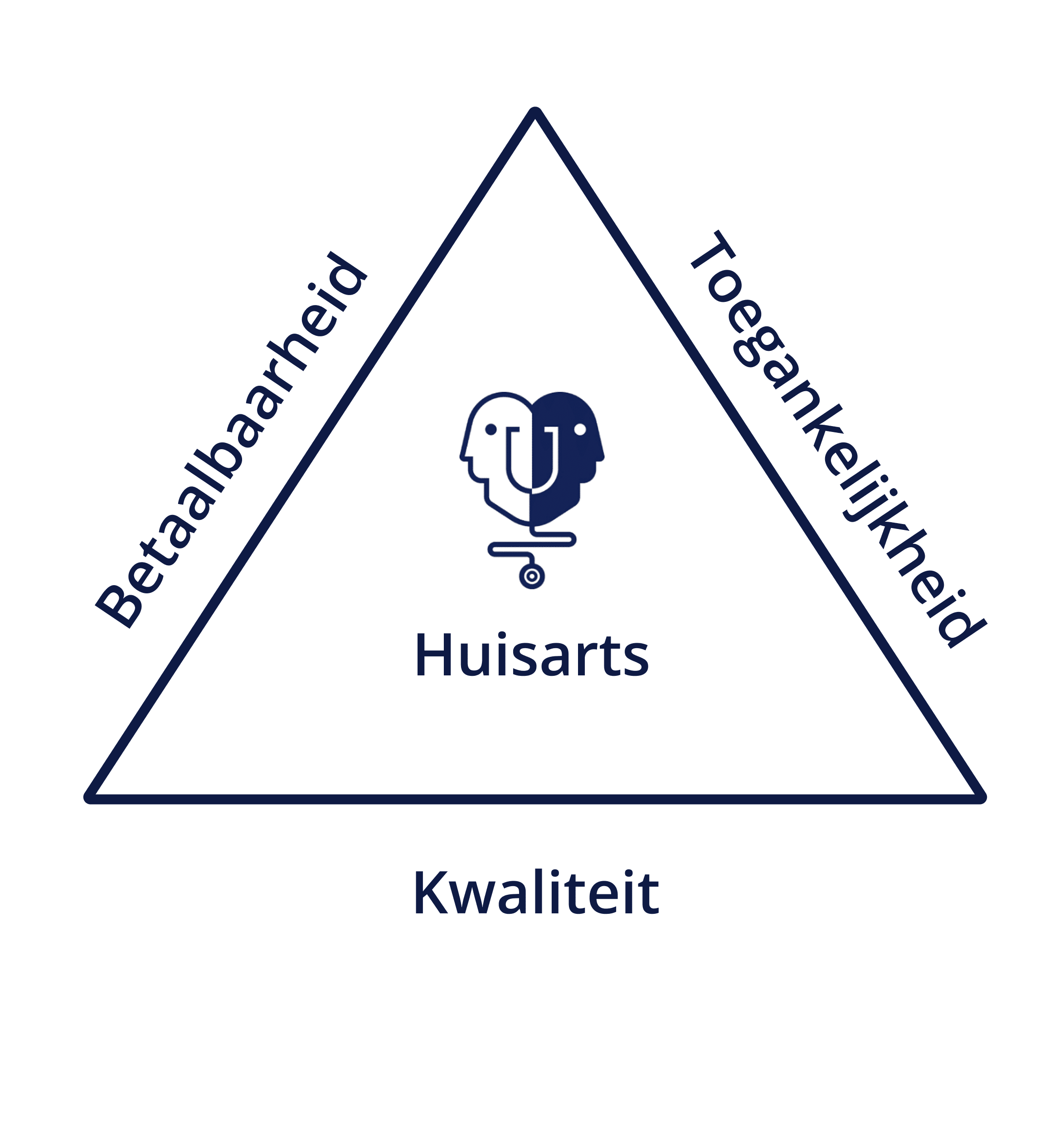
The Iron Triangle of Healthcare: Quality, Accessibility and Affordability The family physician stands at its centre. Mission and Vision Primary Care […]
All writers
- Hanna Brems
- A Portrait of Erembodegem, a Belgian village
- ADHD
- Advice from the doctor
- African poetry
- AIDS activism and gay emancipation
- Allergie
- Bibliography of Chris
- Bibliography of Olivier
- Bibliography of Patrick
- Biography of Chris
- Biography of Olivier
- Biography of Patrick
- Blackout poetry
- Blogs
- Chris' Stage
- Columns
- Covid
- Dirk van Babylon Newsletter
- Double calling
- Essays
- Essays of Olivier
- Fragile light
- Hanna's Mind Wanderings
- Incapacity for work
- Late Pasquino's
- Lectures
- LEIF doctor
- Liechtensteiner
- Medical newsletter
- Memoirs of a general practitioner
- Miguel Molinos
- Moctines
- Musings
- Myriad
- Patrick's Stage
- Practice in Erembodegem
- Resignation
- Short Stories
- Sleep problems
- Sonnets
- Sprokkelmaand
- Substance abuse and addiction
- Synchronicities
- Travel
- Uncategorized
- Vi to
- Vögels
- Voluntary euthanasia
- Weltschmerz
- Wormwood or The dose makes the poison
- Pixel Savant
- A Portrait of Erembodegem, a Belgian village
- ADHD
- Advice from the doctor
- African poetry
- AIDS activism and gay emancipation
- Allergie
- Bibliography of Chris
- Bibliography of Olivier
- Bibliography of Patrick
- Biography of Chris
- Biography of Olivier
- Biography of Patrick
- Blackout poetry
- Blogs
- Chris' Stage
- Columns
- Covid
- Dirk van Babylon Newsletter
- Double calling
- Essays
- Essays of Olivier
- Fragile light
- Hanna's Mind Wanderings
- Incapacity for work
- Late Pasquino's
- Lectures
- LEIF doctor
- Liechtensteiner
- Medical newsletter
- Memoirs of a general practitioner
- Miguel Molinos
- Moctines
- Musings
- Myriad
- Patrick's Stage
- Practice in Erembodegem
- Resignation
- Short Stories
- Sleep problems
- Sonnets
- Sprokkelmaand
- Substance abuse and addiction
- Synchronicities
- Travel
- Uncategorized
- Vi to
- Vögels
- Voluntary euthanasia
- Weltschmerz
- Wormwood or The dose makes the poison
About the writer
Other works by our writers
- June 2026 (2)
- May 2026 (3)
- March 2026 (2)
- February 2026 (2)
- January 2026 (1)
- December 2025 (3)
- November 2025 (11)
- October 2025 (7)
- September 2025 (4)
- August 2025 (21)
- July 2025 (2)
- June 2025 (1)
- May 2025 (1)
- March 2025 (3)
- December 2024 (8)
- November 2024 (5)
- June 2024 (1)
- May 2024 (1)
- April 2024 (58)
- January 2024 (1)
- December 2023 (1)
- February 2022 (13)
- December 2021 (5)
- November 2021 (4)
- May 2021 (1)
- February 2021 (3)
- January 2021 (5)
- December 2020 (1)
- February 2019 (1)
No comments have been posted yet!