
Cancer prevention: how can cancer be prevented?
- What can you do yourself?
- What can your GP do?
- What can a specialist do for you?
Primary and secondary cancer prevention
Primary prevention means taking action before the disease develops. Secondary prevention generally aims to detect the disease at an early, treatable stage.
Do something about it yourself
There is quite a lot you can do yourself to prevent cancer as far as possible. Primary prevention often comes down to living healthily, for example:
- not smoking
- drinking alcohol in moderation
- eating healthily
- getting enough exercise
- taking care in the sun
Primary prevention means taking action before the risk arises.
Secondary prevention includes self-examination. You can detect breast cancer yourself at a treatable stage by regularly examining your breasts by touch, although this is a matter of some debate. Men should also remember to examine their testicles from time to time. Testicular cancer mainly affects young men and is often highly treatable.
You can also keep an eye on spots and marks on your skin and, if necessary, take a dated photograph so that you can compare them later. Do not hesitate to consult your GP if you notice anything unusual. Do not bury your head in the sand.
Getting enough exercise helps prevent cancer.
You can find more information about healthy lifestyles and nutrition as forms of primary cancer prevention on the Wetenschap info nu website.
By regularly examining your breasts, testicles and skin marks yourself, you can detect abnormalities. If you notice anything suspicious, consult your GP straight away.
You can find more information about breast self-examination on the Thuisarts website.
Visit your GP
Your GP can recommend appropriate vaccinations. This also falls under primary prevention.
It is worth noting that these are two vaccines against sexually transmitted infections.
The HPV vaccine protects against cervical cancer caused by the human papillomavirus. It is recommended for women, preferably before their first sexual intercourse and no later than the age of 25. In Belgium, the vaccine is reimbursed for girls aged 12 to 18.
Hepatitis B causes liver cancer, and an effective vaccine is available. It has been part of the basic vaccination programme for infants for many years. Most adolescents and young adults born in our country will have been vaccinated, as the vaccine is widely administered.
For travellers, there is a combined vaccine against hepatitis A and B, which is strongly recommended for travel outside Western Europe.
You may still have a vaccination booklet or card showing which vaccinations you have received. If not, a blood test can establish whether you have protective antibodies.
Secondary prevention
Screening strategies exist for a limited number of cancers and generally target specific groups. The English word screening is used for this.
- Breast cancer: mammography every two years for women aged 50 to 70 (free of charge in Flanders and Brussels)
- Cervical cancer: a smear test every three years between the ages of 25 and 65, or from the first sexual contact
- Colorectal cancer: a stool test every two years from the age of 50 (free of charge in Flanders and Brussels)
- Prostate cancer: a PSA blood test (Prostate Specific Antigen) from the age of 50, arranged through your GP, or at a younger age if there is a family history of the disease
Some people have an increased risk of cancer for familial or personal reasons. If a particular type of cancer has occurred several times in your family, you should pursue more targeted screening, and the guidelines listed above may not apply.
An increased personal risk of skin cancer, for example, is found in people with fair skin (red- or blond-haired) who do not tolerate exposure to sunlight well. You can have your skin marks examined by your GP or have them mapped by a skin specialist (dermatologist). As far as primary prevention is concerned, you should then be even more careful than others to avoid all sources of ultraviolet radiation.
Find out what your aunts and uncles, parents and grandparents, nieces, nephews and cousins died of, and see whether there is any particular risk in your family. Discuss this with your GP. Sometimes genetic testing can provide a definitive answer, for example in cases of hereditary breast cancer, which can sometimes strike women at a young age. Primary prevention can go so far as to make it advisable to have the breasts removed.
Latest contributions
What Is House Dust Mite Allergy?

House Dust Mites: An Invisible Cause of Chronic Nasal and Respiratory Complaints Reading time: 4 minutes This article contains general information […]
What Can You Do About House Dust Mite Allergy?
What Can You Do About House Dust Mite Allergy? 5 Practical Measures That Really Make a Difference Reading time: 5 minutes The previous article […]
Mission and Vision of Dr. Van Breusegem
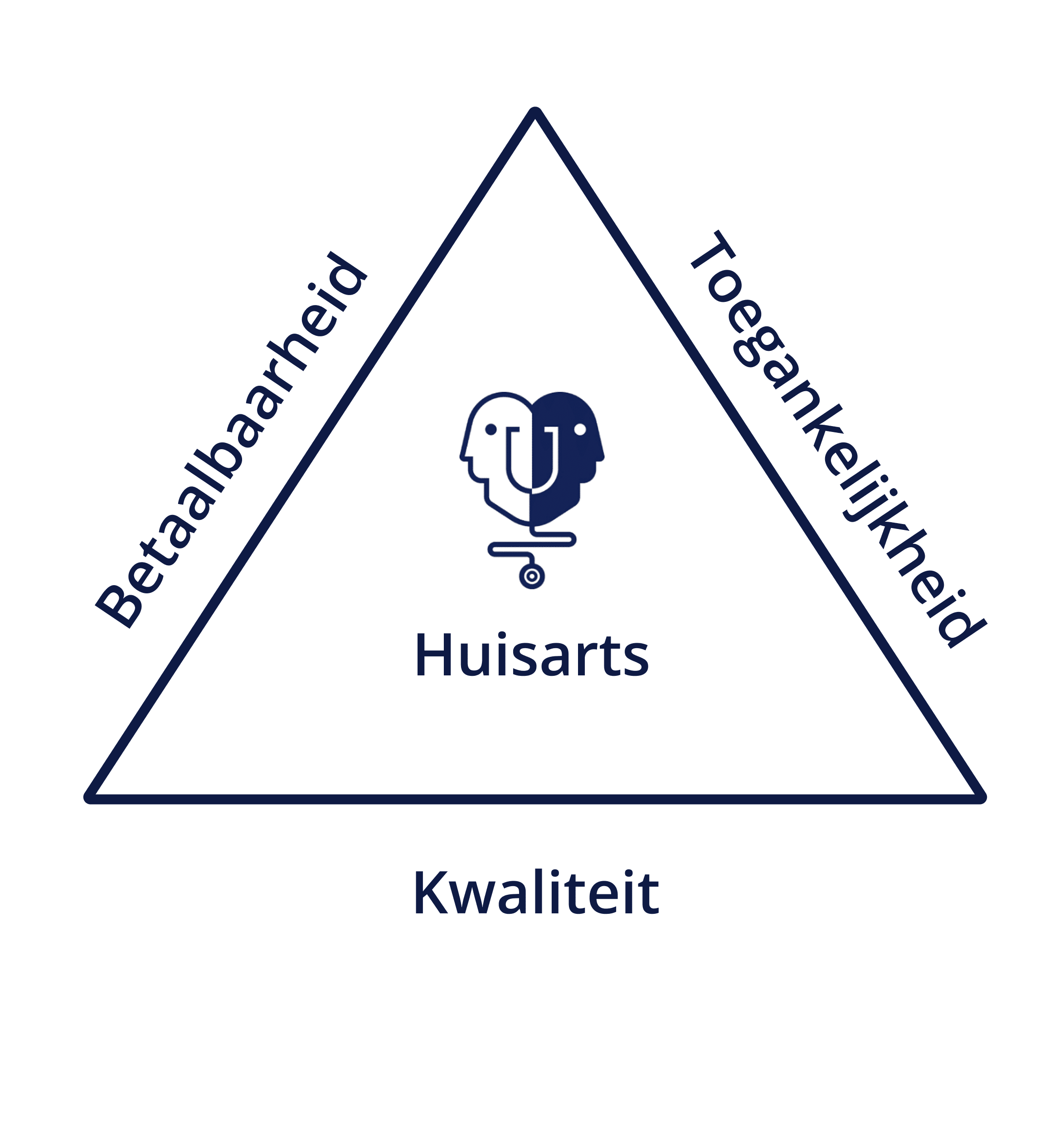
The Iron Triangle of Healthcare: Quality, Accessibility and Affordability The family physician stands at its centre. Mission and Vision Primary Care […]

All writers
- Hanna Brems
- A Portrait of Erembodegem, a Belgian village
- ADHD
- Advice from the doctor
- African poetry
- AIDS activism and gay emancipation
- Allergie
- Bibliography of Chris
- Bibliography of Olivier
- Bibliography of Patrick
- Biography of Chris
- Biography of Olivier
- Biography of Patrick
- Blackout poetry
- Blogs
- Chris' Stage
- Columns
- Covid
- Dirk van Babylon Newsletter
- Double calling
- Essays
- Essays of Olivier
- Fragile light
- Hanna's Mind Wanderings
- Incapacity for work
- Late Pasquino's
- Lectures
- LEIF doctor
- Liechtensteiner
- Medical newsletter
- Memoirs of a general practitioner
- Miguel Molinos
- Moctines
- Musings
- Myriad
- Patrick's Stage
- Practice in Erembodegem
- Resignation
- Short Stories
- Sleep problems
- Sonnets
- Sprokkelmaand
- Substance abuse and addiction
- Synchronicities
- Travel
- Uncategorized
- Vi to
- Vögels
- Voluntary euthanasia
- Weltschmerz
- Wormwood or The dose makes the poison
- Pixel Savant
- A Portrait of Erembodegem, a Belgian village
- ADHD
- Advice from the doctor
- African poetry
- AIDS activism and gay emancipation
- Allergie
- Bibliography of Chris
- Bibliography of Olivier
- Bibliography of Patrick
- Biography of Chris
- Biography of Olivier
- Biography of Patrick
- Blackout poetry
- Blogs
- Chris' Stage
- Columns
- Covid
- Dirk van Babylon Newsletter
- Double calling
- Essays
- Essays of Olivier
- Fragile light
- Hanna's Mind Wanderings
- Incapacity for work
- Late Pasquino's
- Lectures
- LEIF doctor
- Liechtensteiner
- Medical newsletter
- Memoirs of a general practitioner
- Miguel Molinos
- Moctines
- Musings
- Myriad
- Patrick's Stage
- Practice in Erembodegem
- Resignation
- Short Stories
- Sleep problems
- Sonnets
- Sprokkelmaand
- Substance abuse and addiction
- Synchronicities
- Travel
- Uncategorized
- Vi to
- Vögels
- Voluntary euthanasia
- Weltschmerz
- Wormwood or The dose makes the poison
About the writer

Other works by our writers
- June 2026 (2)
- May 2026 (3)
- March 2026 (2)
- February 2026 (2)
- January 2026 (1)
- December 2025 (3)
- November 2025 (11)
- October 2025 (7)
- September 2025 (4)
- August 2025 (21)
- July 2025 (2)
- June 2025 (1)
- May 2025 (1)
- March 2025 (3)
- December 2024 (8)
- November 2024 (5)
- June 2024 (1)
- May 2024 (1)
- April 2024 (58)
- January 2024 (1)
- December 2023 (1)
- February 2022 (13)
- December 2021 (5)
- November 2021 (4)
- May 2021 (1)
- February 2021 (3)
- January 2021 (5)
- December 2020 (1)
- February 2019 (1)
No comments have been posted yet!