
Raising awareness of HIV and AIDS
The mid-1980s. In Flanders, the Catholic Church still held the reins of power. Conservative and narrow-minded. How do you communicate about a new disease that poses a risk to everyone, primarily affects gay men, and is transmitted through sexual contact? This article looks at efforts to raise awareness of AIDS in Flanders, with a major milestone being my role as co-founder of The Foundation.
The condom, the first campaign and plain speaking
The first years of the AIDS epidemic brought far too many misconceptions, such as the idea that you could catch AIDS from a mosquito bite or by drinking from the same glass as someone with AIDS. Once it became clear how HIV infection could be prevented, the condom became the elephant in the room. The AIDS epidemic exposed a sore point in Flanders: prudishness and an outdated Catholic morality. Talking about condom use proved to be a real challenge.
The idea that the government might spend money promoting condoms through posters, leaflets and brochures would probably have made more than one prelate feel queasy. We had to do something to break free of this narrow outlook and its prejudices, and gradually became more and more committed to the cause. In this way, we gained a degree of influence over the campaign launched by Secretary of State for Public Health Wivina de Meester. In 1984, she launched the campaign ‘Open your eyes to AIDS before it closes them’. The original designs were woolly; the condom was not even allowed to be mentioned. We insisted on plain speaking, which raised quite a few eyebrows, but clear and concrete language was essential if people were to be properly informed. Here and there, initiatives began to emerge in which condoms were handed out, and television programmes showed in graphic detail how to roll a condom onto a model penis… things were finally getting under way.
The three pillars of activism
The initiatives springing up across Flanders soon led to the establishment of three prominent organisations, which would have a considerable impact and gain official recognition from the government. First, there was De Aidstelefoon, the AIDS helpline, co-founded by, among others, the Institute of Tropical Medicine in Antwerp and a group of local AIDS activists. It provided an anonymous telephone service for people with questions about AIDS and sexually transmitted infections. The people staffing the phones were unpaid volunteers, doing the work out of conviction.
Second, there was Het Aidsteam, made up of members of the gay movement. The organisation was founded in 1987 and actively promoted the importance of condom use. In their decorated ‘AIDS bus’, they travelled throughout Flanders, spreading information and singing the praises of condoms in every possible way.
Then there was The Foundation, an organisation I helped bring into being, and which, like the other two, was later absorbed into Sensoa. Its aim was to establish a buddy system for people with AIDS. The idea had come over from America. Buddies were volunteers who took care of patients: they were carefully selected and then trained to accompany someone during the final weeks or months of their life. I thought it was a wonderful commitment, although it was not something everyone could take on, as it could be quite emotionally demanding. Nevertheless, a considerable number of people did so, with guidance and support.
We first organised a ballet gala in Brussels, which raised quite a lot of money. This later enabled us to obtain subsidies from the Flemish government, on one condition: that we also undertook a thorough programme of public information and education. At the time, this was known as GVO, or health education. We then went into schools with numerous volunteers, spoke on BRT and VTM, wrote brochures… We made a great deal of noise, so to speak. We were determined to make everyone aware of the virus and the disease, and to convey one important message: it is not about a person, but about that person’s behaviour.
Areas profoundly affected by the AIDS epidemic:
- Patient communication
- Patients’ rights
- Accessibility, cost and quality of healthcare
- Emancipation
- End-of-life care
- The contrast between cure and care: hard medicine versus compassionate care.
Useful links
The Sensoa website, the Flemish centre of expertise for sexual health. Accessed 4/12/2023.
The Aidsfonds website (in Dutch). Accessed 4/12/2023.
Latest contributions
What Is House Dust Mite Allergy?

House Dust Mites: An Invisible Cause of Chronic Nasal and Respiratory Complaints Reading time: 4 minutes This article contains general information […]
What Can You Do About House Dust Mite Allergy?
What Can You Do About House Dust Mite Allergy? 5 Practical Measures That Really Make a Difference Reading time: 5 minutes The previous article […]
Mission and Vision of Dr. Van Breusegem
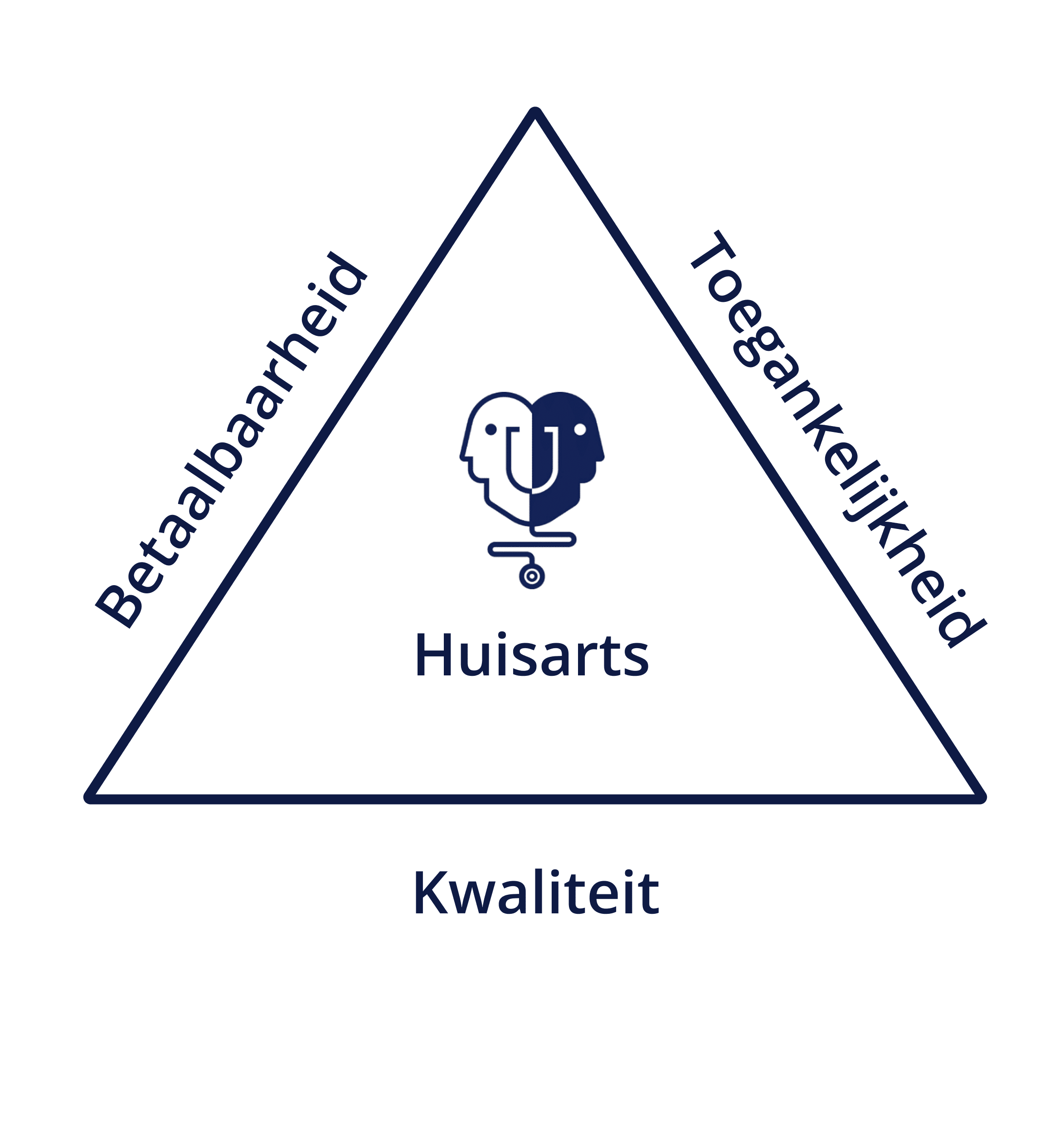
The Iron Triangle of Healthcare: Quality, Accessibility and Affordability The family physician stands at its centre. Mission and Vision Primary Care […]
All writers
- Hanna Brems
- A Portrait of Erembodegem, a Belgian village
- ADHD
- Advice from the doctor
- African poetry
- AIDS activism and gay emancipation
- Allergie
- Bibliography of Chris
- Bibliography of Olivier
- Bibliography of Patrick
- Biography of Chris
- Biography of Olivier
- Biography of Patrick
- Blackout poetry
- Blogs
- Chris' Stage
- Columns
- Covid
- Dirk van Babylon Newsletter
- Double calling
- Essays
- Essays of Olivier
- Fragile light
- Hanna's Mind Wanderings
- Incapacity for work
- Late Pasquino's
- Lectures
- LEIF doctor
- Liechtensteiner
- Medical newsletter
- Memoirs of a general practitioner
- Miguel Molinos
- Moctines
- Musings
- Myriad
- Patrick's Stage
- Practice in Erembodegem
- Resignation
- Short Stories
- Sleep problems
- Sonnets
- Sprokkelmaand
- Substance abuse and addiction
- Synchronicities
- Travel
- Uncategorized
- Vi to
- Vögels
- Voluntary euthanasia
- Weltschmerz
- Wormwood or The dose makes the poison
- Pixel Savant
- A Portrait of Erembodegem, a Belgian village
- ADHD
- Advice from the doctor
- African poetry
- AIDS activism and gay emancipation
- Allergie
- Bibliography of Chris
- Bibliography of Olivier
- Bibliography of Patrick
- Biography of Chris
- Biography of Olivier
- Biography of Patrick
- Blackout poetry
- Blogs
- Chris' Stage
- Columns
- Covid
- Dirk van Babylon Newsletter
- Double calling
- Essays
- Essays of Olivier
- Fragile light
- Hanna's Mind Wanderings
- Incapacity for work
- Late Pasquino's
- Lectures
- LEIF doctor
- Liechtensteiner
- Medical newsletter
- Memoirs of a general practitioner
- Miguel Molinos
- Moctines
- Musings
- Myriad
- Patrick's Stage
- Practice in Erembodegem
- Resignation
- Short Stories
- Sleep problems
- Sonnets
- Sprokkelmaand
- Substance abuse and addiction
- Synchronicities
- Travel
- Uncategorized
- Vi to
- Vögels
- Voluntary euthanasia
- Weltschmerz
- Wormwood or The dose makes the poison
About the writer
Other works by our writers
- June 2026 (2)
- May 2026 (3)
- March 2026 (2)
- February 2026 (2)
- January 2026 (1)
- December 2025 (3)
- November 2025 (11)
- October 2025 (7)
- September 2025 (4)
- August 2025 (21)
- July 2025 (2)
- June 2025 (1)
- May 2025 (1)
- March 2025 (3)
- December 2024 (8)
- November 2024 (5)
- June 2024 (1)
- May 2024 (1)
- April 2024 (58)
- January 2024 (1)
- December 2023 (1)
- February 2022 (13)
- December 2021 (5)
- November 2021 (4)
- May 2021 (1)
- February 2021 (3)
- January 2021 (5)
- December 2020 (1)
- February 2019 (1)
No comments have been posted yet!