
The story of Hubert and his wife
In the 1980s, in the midst of the AIDS epidemic, Dr. Peter van Breusegem begins his first practice as a young family physician. A bit unprepared, he catches the first AIDS patients. Despite the fact that he does not yet have much experience, Peter does his best to guide them as best he can, including psychologically.
Hubert* was a heterosexual man who had worked in Africa for many years. When he returned to Belgium and found that he was infected with the (new) HIV virus, he did not want to talk to his wife about it.
The diagnosis
I distinctly remember a woman sitting in the waiting room of my practice waiting somewhat nervously. She was the partner of one of my patients. I welcomed her into my consultation room and asked what I could help her with, even though I already felt the mood coming on: the reason for her visit was her relationship with her husband Hubert.
I knew this, because a few weeks before, Hubert had put himself in the same chair to share his suspicions with me. He had contracted AIDS while traveling in Africa, through sexual contact with an African woman. He had been tested and was now certain he was infected with the HIV virus.
The dilemma behind professional secrecy
Talking about this was anything but an easy task at the time. At that time, AIDS was still a big taboo, especially in conservative Flanders. Hubert was ashamed, felt enormously guilty, and asked me not to discuss his diagnosis with his wife. I agreed at the time, but of course that placed me in an ethical dilemma.
I hesitated. Should I intervene to inform the wife so that she could protect herself? Or was that solely the responsibility of the husband himself? Hubert had told me that he no longer had sexual contact with his wife and that therefore she would not be at risk. I knew I had to respect professional confidentiality , but as soon as the husband left my practice, I was deeply concerned about how this situation would play out.
The effect of Hubert’s decision quickly became clear when his wife appeared in my consultation room. She shared her concerns with me: her husband brooded constantly, behaved differently than before, and no longer wanted to be intimate. She began to suspect that he no longer loved her or that he was cheating on her. I listened to the story and tried to guide her without violating my professional confidentiality. That was a balancing act. I felt I could not be the one to uncover the truth because of my ethical obligations and the trust her husband had placed in me, but I also felt responsible for her health.
The importance of communication and trust
Ironically, I next saw Hubert’s wife while she was reading a brochure on AIDS in the waiting room. She came into my consultation room with that brochure in her hand, without saying a word. There was a very strange tension between us then, as if she suspected something but was not yet ready to talk about it. The word “AIDS” or “HIV” didn’t come up then either.
In the end, I managed to convince Hubert to talk to his wife after all. It felt a bit like a breakthrough, both for me and for the couple themselves. Hubert’s wife heard directly from her husband what was going on, and this opened the door to finding solutions and repairing their relationship. In situations like this, lack of disclosure is often the breeding ground for suspicion and mistrust.
Although later the rules around professional confidentiality became more nuanced, I learned a lot from this couple. I realized then that as a family physician, my job was to talk to those involved and encourage them to communicate about their situation, but not take their place.
It was striking how hard it weighed for those patients to bear the uncertainty. In a way, the diagnosis brought relief, especially when it was communicated openly within a trusted circle. Bystanders, such as Hubert’s wife in this case, then knew what was going on and could consider solutions together with the patient.
There was a great love between those two people. As long as the woman did not know but suspected one thing or another, she did not feel taken seriously. When she knew, she was able to advocate for him.
*Hubert is a pseudonym
Narrated by Peter van Breusegem. Written by Hanna Brems.
Latest contributions
What Is House Dust Mite Allergy?

House Dust Mites: An Invisible Cause of Chronic Nasal and Respiratory Complaints Reading time: 4 minutes This article contains general information […]
What Can You Do About House Dust Mite Allergy?

What Can You Do About House Dust Mite Allergy? 5 Practical Measures That Really Make a Difference Reading time: 5 minutes The previous article […]
Mission and Vision of Dr. Van Breusegem
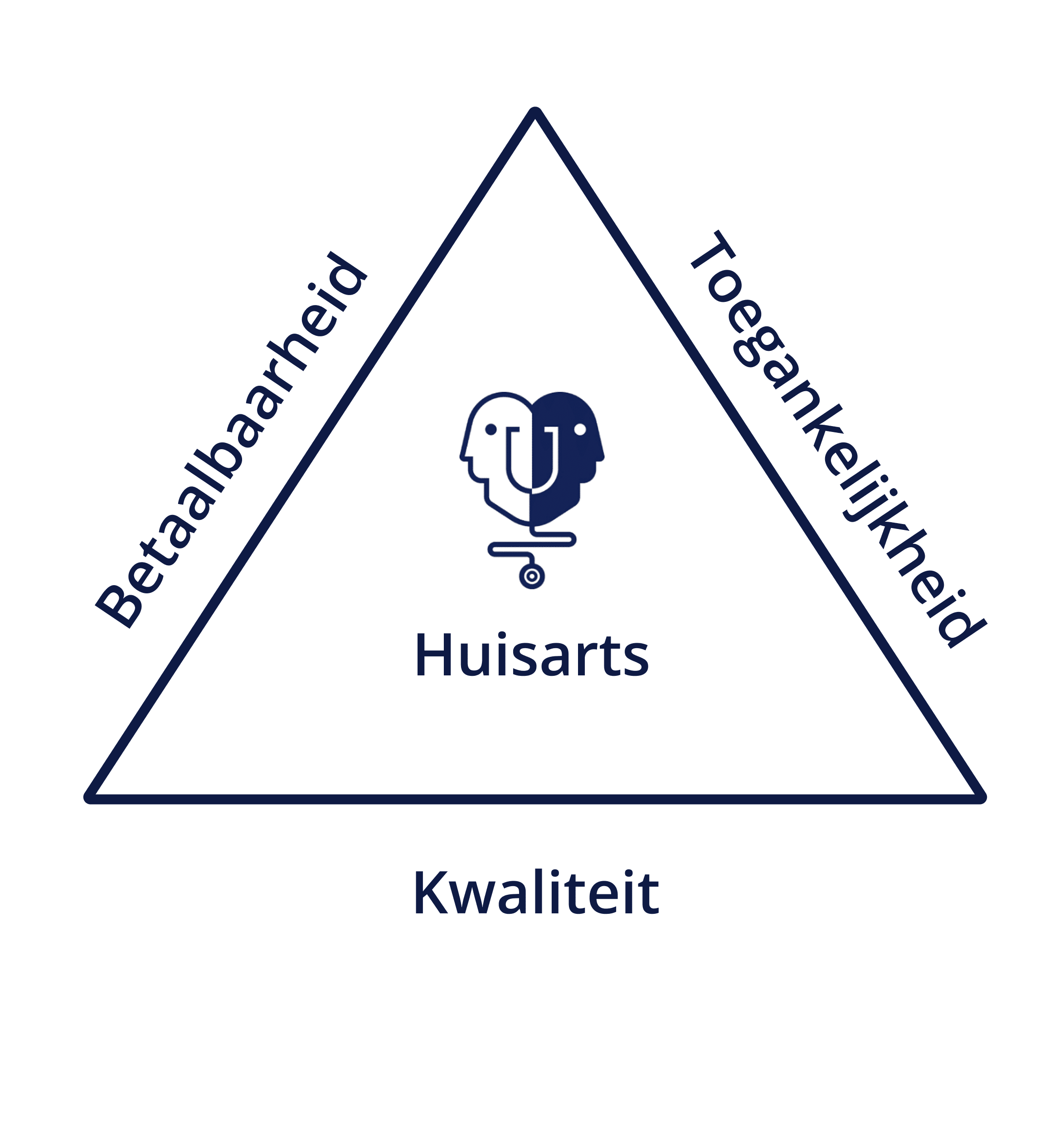
The Iron Triangle of Healthcare: Quality, Accessibility and Affordability The family physician stands at its centre. Mission and Vision Primary Care […]

All writers
- Hanna Brems
- A Portrait of Erembodegem, a Belgian village
- ADHD
- Advice from the doctor
- African poetry
- AIDS activism and gay emancipation
- Allergie
- Bibliography of Chris
- Bibliography of Olivier
- Bibliography of Patrick
- Biography of Chris
- Biography of Olivier
- Biography of Patrick
- Blackout poetry
- Blogs
- Chris' Stage
- Columns
- Covid
- Dirk van Babylon Newsletter
- Double calling
- Essays
- Essays of Olivier
- Fragile light
- Hanna's Mind Wanderings
- Incapacity for work
- Late Pasquino's
- Lectures
- LEIF doctor
- Liechtensteiner
- Medical newsletter
- Memoirs of a general practitioner
- Miguel Molinos
- Moctines
- Musings
- Myriad
- Patrick's Stage
- Practice in Erembodegem
- Resignation
- Short Stories
- Sleep problems
- Sonnets
- Sprokkelmaand
- Substance abuse and addiction
- Synchronicities
- Travel
- Uncategorized
- Vi to
- Vögels
- Voluntary euthanasia
- Weltschmerz
- Wormwood or The dose makes the poison
- Pixel Savant
- A Portrait of Erembodegem, a Belgian village
- ADHD
- Advice from the doctor
- African poetry
- AIDS activism and gay emancipation
- Allergie
- Bibliography of Chris
- Bibliography of Olivier
- Bibliography of Patrick
- Biography of Chris
- Biography of Olivier
- Biography of Patrick
- Blackout poetry
- Blogs
- Chris' Stage
- Columns
- Covid
- Dirk van Babylon Newsletter
- Double calling
- Essays
- Essays of Olivier
- Fragile light
- Hanna's Mind Wanderings
- Incapacity for work
- Late Pasquino's
- Lectures
- LEIF doctor
- Liechtensteiner
- Medical newsletter
- Memoirs of a general practitioner
- Miguel Molinos
- Moctines
- Musings
- Myriad
- Patrick's Stage
- Practice in Erembodegem
- Resignation
- Short Stories
- Sleep problems
- Sonnets
- Sprokkelmaand
- Substance abuse and addiction
- Synchronicities
- Travel
- Uncategorized
- Vi to
- Vögels
- Voluntary euthanasia
- Weltschmerz
- Wormwood or The dose makes the poison
About the writer

Other works by our writers
- June 2026 (2)
- May 2026 (3)
- March 2026 (2)
- February 2026 (2)
- January 2026 (1)
- December 2025 (3)
- November 2025 (11)
- October 2025 (7)
- September 2025 (4)
- August 2025 (21)
- July 2025 (2)
- June 2025 (1)
- May 2025 (1)
- March 2025 (3)
- December 2024 (8)
- November 2024 (5)
- June 2024 (1)
- May 2024 (1)
- April 2024 (58)
- January 2024 (1)
- December 2023 (1)
- February 2022 (13)
- December 2021 (5)
- November 2021 (4)
- May 2021 (1)
- February 2021 (3)
- January 2021 (5)
- December 2020 (1)
- February 2019 (1)
No comments have been posted yet!