
Interview with Patrick Bernauw about the Death of King Albert I
Reading time: 3–4 minutes.
In this interview, Patrick Bernauw reflects on the stories surrounding the mysterious death of Albert I of Belgium, who fell while climbing a rock in Marche-les-Dames in 1934. Officially, it was a fatal accident—but critical voices soon arose: might the king have been murdered? Bernauw explains how he and co-author Guy Didelez were led onto this trail through the prediction of Leonie Van Den Dijck—and how it eventually resulted in more than one book.
(Interview text preserved in tone and argumentation.)
Patrick, how did you move from the story of Leonie Van Den Dijck, the Seeress of Onkerzele, to the mysterious death of King Albert I?
First Guy and I wrote Het Orakel Ontgraven, a non-fiction book published in 1993 by Manteau about Leonie Van Den Dijck. At the same time, we released a historical youth thriller through Davidsfonds-Infodok centered on the death of King Albert I. That story flowed directly from our Leonie project—she had predicted that the king would be murdered. Without her, we would never have gone down that path.
The youth thriller was successful. We even turned it into storytelling theatre, a monologue with which I toured Flanders for years. Later, with the arrival of the internet, I gained access to new material and published Het Februaricomplot (1999). There I formulated Guy’s and my hypothesis more sharply than ever: what happened in Marche-les-Dames was not an accident.
Where did that hypothesis come from?
I am an author, not a historian, but there are two crucial facts that, in my view, are systematically brushed aside by historians who maintain that Albert died accidentally. The first concerns the injuries—or rather, the lack thereof. Anyone who falls from a rock—whether twelve, fifty, or eighty meters (estimates of the king’s fall vary considerably)—always suffers bruises and fractures. The king had none of these, apart from a single gaping hole in his skull. It is impossible to fall directly onto your head without any other injury—not even a king can do that.
The second point is even stranger. When Albert I had not returned at the agreed time, his chamberlain, Theophiel Van Dycke, raised the alarm. He had waited the entire time at the foot of the rock. Van Dycke first searched alone and later turned to others nearby: Flemish farmers and gendarmes who knew the terrain like the back of their hand. For four hours they combed the area with torches and flashlights… without result. Then three gentlemen from Brussels arrived. Without ropes, without lamps, without any equipment. They parked their car, directed the headlights at the rocks, and almost immediately found the glasses, walking stick, cap… and the king’s body. It lay barely twelve meters from the road, precisely where the local search teams had searched fruitlessly for hours.
For me, the only possible conclusion is clear: Albert was not lying there. He was shot somewhere and only afterward placed at the foot of the rocks. The “official version”—that he fell from the rock—is a carefully constructed fiction. A fairy tale sold as truth since 1934.
A form of magical realism, then?
For me that falls under the heading of “magical realism”: we live in a fiction—here, one devised by the murderer of Albert I. Not the person who physically killed him, but the one who drafted the official report for the Namur public prosecutor’s office. Since then, we have accepted that story as truth. While it is nothing more than that… a real story.
Further information: see bernauw.com. In 2008 Patrick Bernauw published his definitive version under the title Het Illuminati Complot (Manteau). This historical faction thriller remains available.
Interview, editing and publication by Hanna Brems.
Recente bijdragen
Patrick and Peter Explore Mysterious Erembodegem
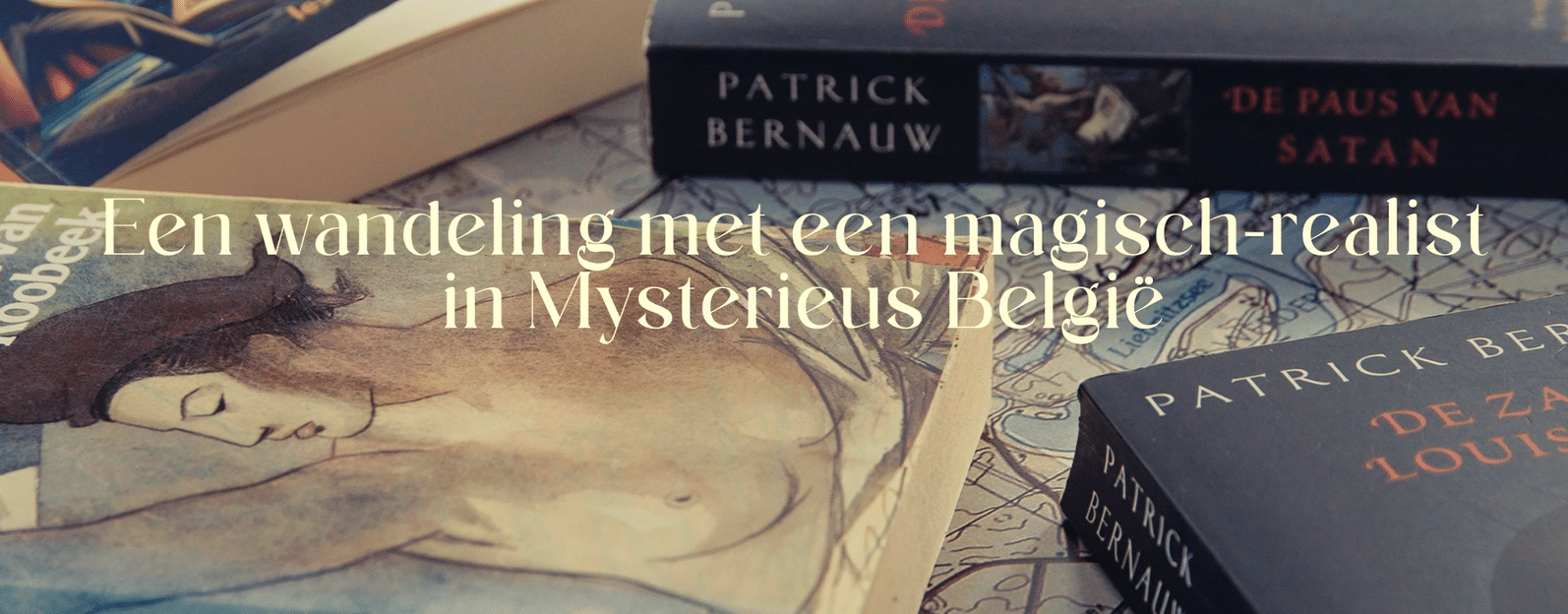
A walk with a magical realist in mysterious Erembodegem. What makes Erembodegem so mysterious? The trees, shrubs, and winding paths in the village […]
The Mystery of Marville
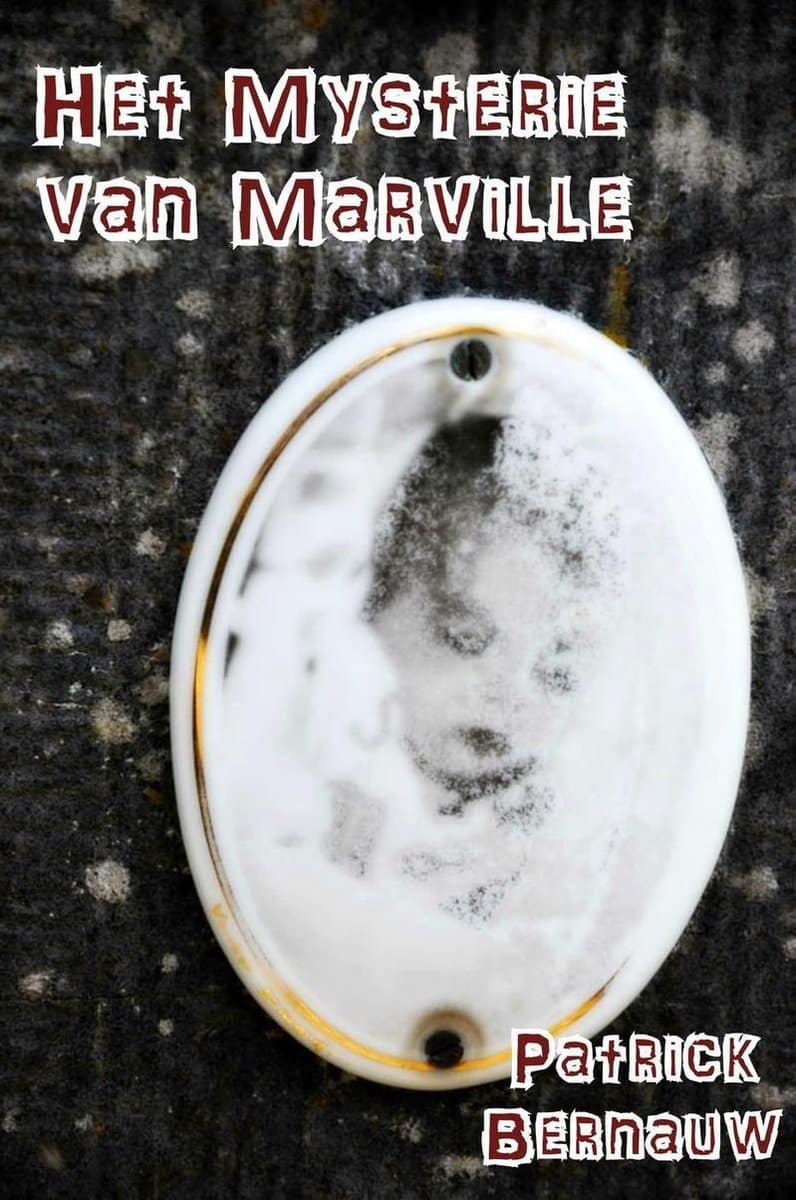
The Mystery of Marville In The Mystery of Marville, Patrick Bernauw investigates a dark enigma from the 1950s and 1960s: in the cemetery of Marville, […]
A Door Has Opened
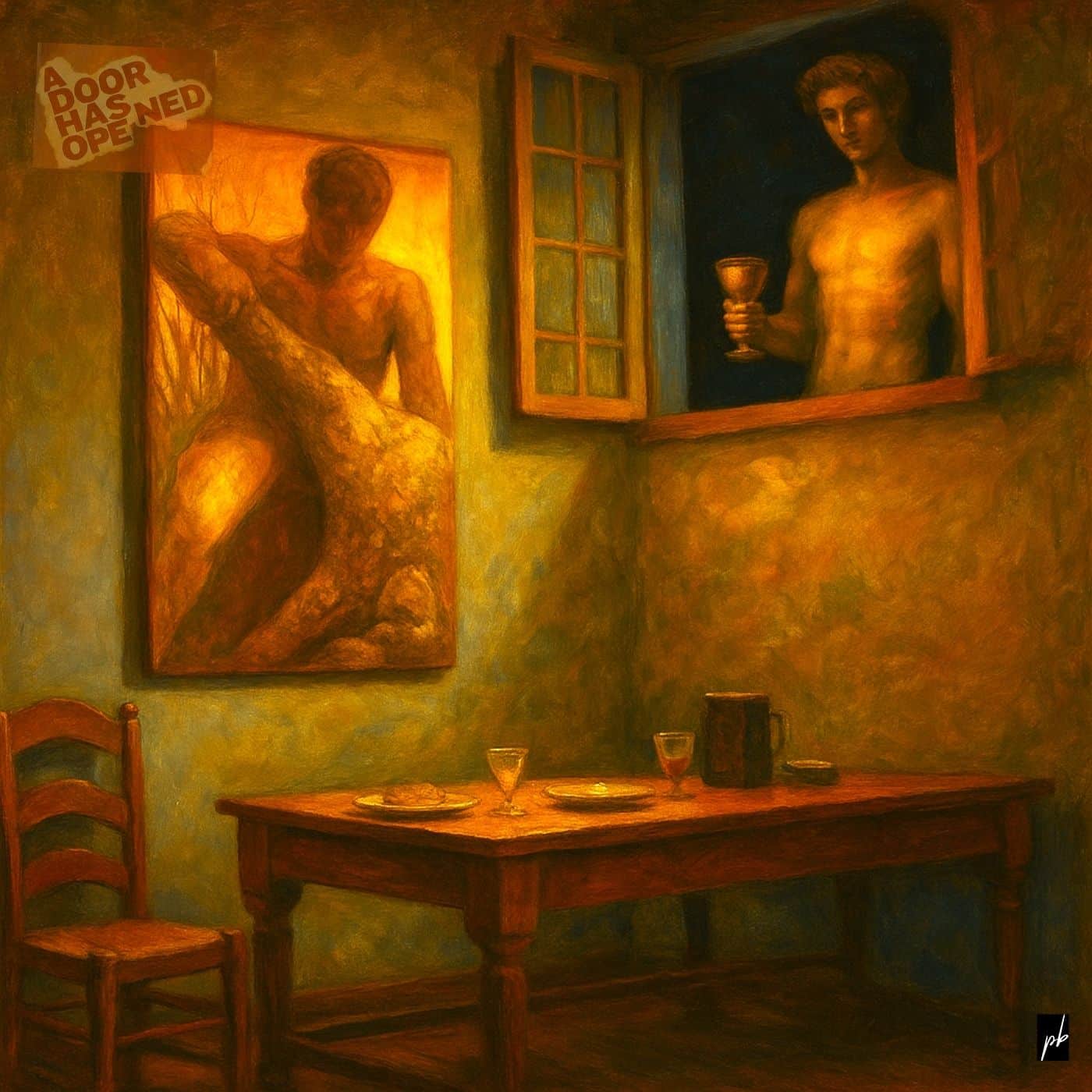
A Door Has Opened Dear Reader, It began with an ordinary table. Dinner set, glasses faintly shining, wine breathing in its jug. A chair slightly […]
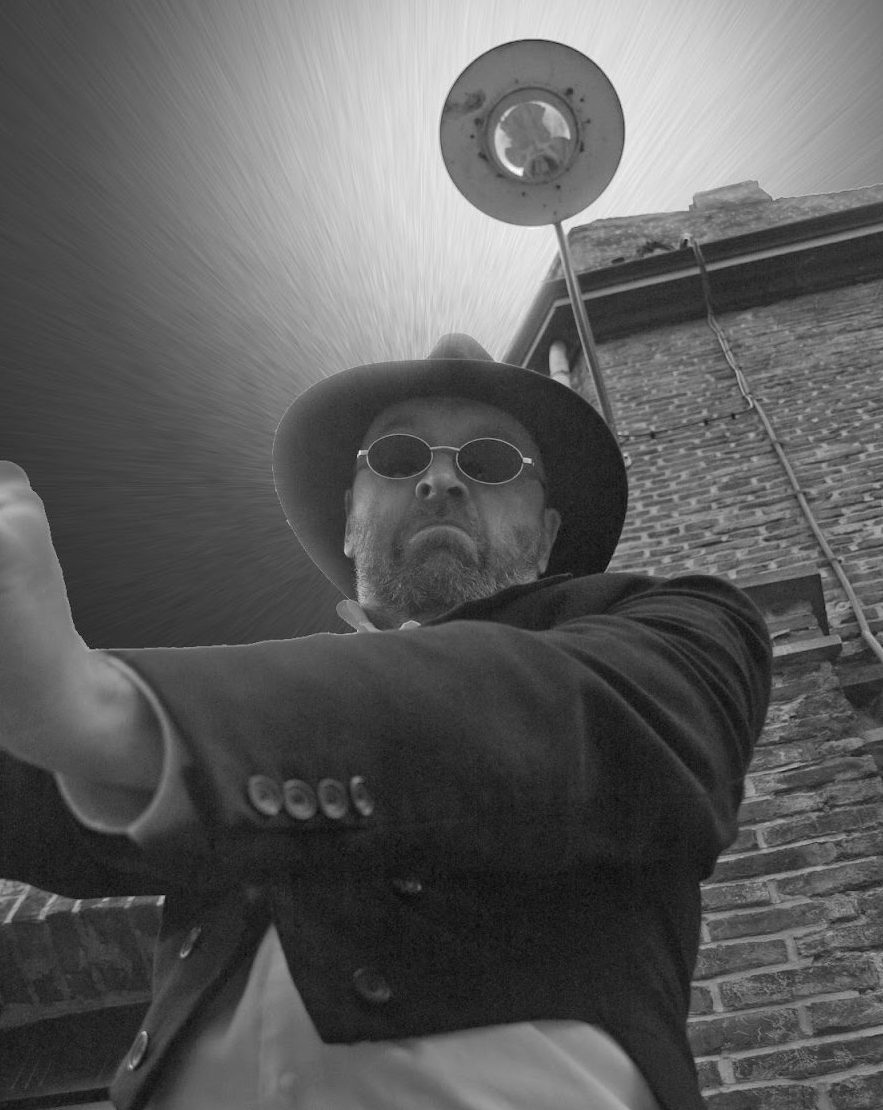
Over de auteur
Other works by our writers
- February 2026 (1)
- December 2025 (2)
- November 2025 (2)
- October 2025 (6)
- September 2025 (4)
- August 2025 (12)
- July 2025 (2)
- March 2025 (3)
- December 2024 (10)
- November 2024 (6)
- October 2024 (2)
- April 2024 (31)
- February 2024 (1)
- January 2024 (3)
- December 2023 (1)
- February 2022 (13)
- December 2021 (5)
- May 2021 (1)
- February 2021 (3)
- January 2021 (5)
No comments have been posted yet!