Is the use of ADHD medication helpful and safe in children?
Reading time: 4 minutes.
This article contains general information and does not replace professional medical advice. Always consult a physician or practitioner with any questions or concerns.
ADHD cannot be cured, but with adjustments in daily life and appropriate treatment, symptoms can be significantly alleviated. In some cases, medication may be indicated. These are drugs that ensure that certain substances in the brain – particularly dopamine and norepinephrine – work better together. Thus, stimuli can be better filtered, making it easier to maintain attention and react less impulsively.
ADHD medication is started only after a careful diagnosis and in consultation with a physician. It is never an isolated solution, but an addition to counseling or therapy. For children who are greatly hindered daily by their symptoms, such a pill can make a significant difference.
The following is an overview of the effectiveness and safety of ADHD medication, according to current scientific evidence, and the role of the primary care physician in the initiation and follow-up of the treatment regimen.
The effectiveness of ADHD medication
Drugs such as methylphenidate (known by brand names like Rilatin/Ritalin and Concerta) and dexamphetamine are well researched and proven effective in treating ADHD. They reduce typical symptoms such as hyperactivity, impulsivity, concentration problems. As a result, children often function noticeably better. In the classroom they are better focused and achieve better learning results – in some cases they can also plan and organize better. In social situations, impulsivity and restlessness decrease and they appear calmer.
Is ADHD medication safe? What are the side effects?
As with any medication, there are risks and possible side effects associated with medication for ADHD. Consult your doctor if your child seems to be experiencing serious side effects.
Common side effects:
1. Reduced appetite and weight loss: This is one of the most common side effects. It may decrease over time. Sometimes it helps to plan meals at times when the drug is less active (such as in the morning or evening).
2. Sleep problems: Difficulty falling asleep or sleeping through, especially if the medication is taken too late in the day.
3. Headache and abdominal pain: These symptoms occur mainly at the beginning of treatment and usually disappear after a few weeks.
4. Heart rate and blood pressure: ADHD medication falls under stimulants and can consequently increase heart rate and blood pressure. Regular checkups with the doctor are therefore recommended.
Key considerations:
1. Long-term health: The long-term effects of ADHD medication on children’s development are still under study. Although most studies are reassuring, there is evidence that long-term use may increase the risk of cardiovascular disease. Regular medical monitoring is very important for this reason as well.
2. Individual response: Effectiveness and side effects vary from person to person. What works for one child may have undesirable effects in another. It is a process of trial and error under medical supervision to find the right dosage and type of medication.
“Rebound” effect: Some children experience a backlash (“rebound”) when the medication wears off, where ADHD symptoms temporarily come back stronger. This can lead to irritability or mood swings at the end of the day.
4. Risk of psychological side effects: In rare cases, medication may cause anxiety, gloominess, or even the occurrence of psychotic symptoms. If such symptoms occur, the doctor should be contacted immediately.
Discuss the decision with your (primary) physician
Many parents consult several specialists after the diagnosis of ADHD, especially when medication comes up. This is understandable, but in practice collecting multidisciplinary examination reports often proves time-consuming, costly and organizationally burdensome.
Meanwhile, daily life goes on as usual. Sometimes urgent action is needed, such as when a child gets stuck at school or at home. Then I take my responsibility as a family physician to temporarily initiate medication, pending further specialized follow-up. A school year should not be lost because consultation reports come in late.
The official guidelines in Belgium and the Netherlands outline an ideal scenario that is not always feasible in practice. The general practitioner remains the first-line figure in such situations: nearby, approachable, and able to act quickly: to refer, but also, where necessary, to start treatment.
No parent is eager to give his or her child medication. But when the feedback from the school is positive, and the child’s performance noticeably improves, understanding and acceptance often grows. In this sense, the decision to start medication is rarely black and white, but a carefully considered choice best made in open consultation with the primary care physician.
Learn more
General information on treatments for ADHD through adhd pathway. Accessed 15/11/2025.
Information on starting medication in children, including through adhd pathway. Accessed 15/11/2025.
Information on the effects and side effects of methylphenidate via knowledge center. Accessed 15/11/2025.
Latest contributions
Mission and Vision of Dr. Van Breusegem
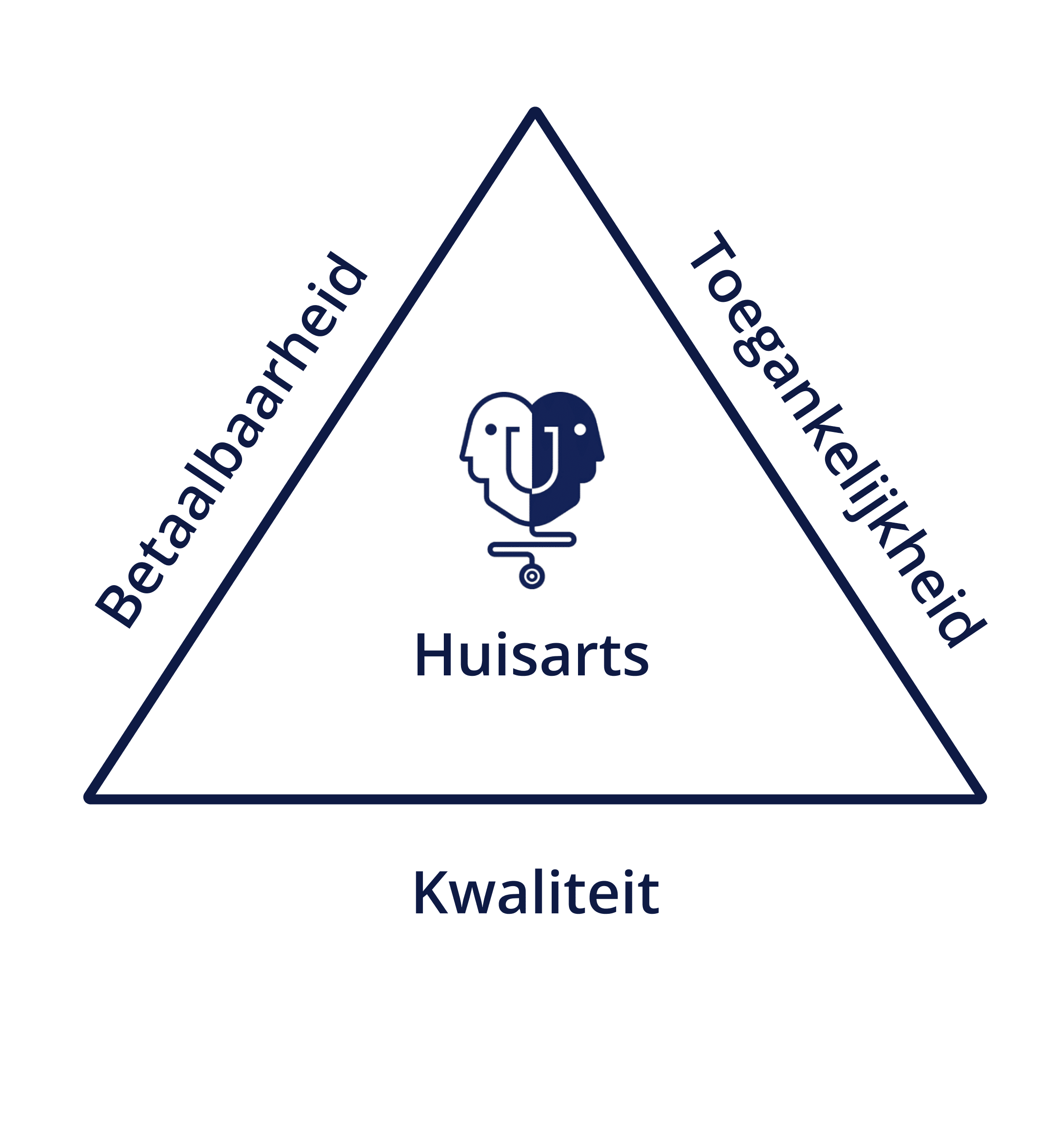
The Iron Triangle of Healthcare: Quality, Accessibility and Affordability The family physician stands at its centre. Mission and Vision Primary Care […]
School and Homework for Children with ADHD

School and Homework for Children with ADHD Reading time: 4–5 minutes. This article provides general information and does not replace professional […]
As a parent, how do you support your child with ADHD?

Busy behavior, difficulty concentrating and becoming easily overstimulated: these are typical challenges in children with ADHD. With a few practical […]

All writers
- Hanna Brems
- A Portrait of Erembodegem, a Belgian village
- ADHD
- Advice from the doctor
- African poetry
- AIDS activism and gay emancipation
- Allergie
- Bibliography of Chris
- Bibliography of Olivier
- Bibliography of Patrick
- Biography of Chris
- Biography of Olivier
- Biography of Patrick
- Blackout poetry
- Blogs
- Chris' Stage
- Columns
- Covid
- Dirk van Babylon Newsletter
- Double calling
- Essays
- Essays of Olivier
- Fragile light
- Hanna's Mind Wanderings
- Incapacity for work
- Late Pasquino's
- Lectures
- LEIF doctor
- Liechtensteiner
- Medical newsletter
- Memoirs of a general practitioner
- Miguel Molinos
- Moctines
- Musings
- Myriad
- Patrick's Stage
- Practice in Erembodegem
- Resignation
- Short Stories
- Sleep problems
- Sonnets
- Sprokkelmaand
- Substance abuse and addiction
- Synchronicities
- Travel
- Uncategorized
- Vi to
- Vögels
- Voluntary euthanasia
- Weltschmerz
- Wormwood or The dose makes the poison
- Pixel Savant
- A Portrait of Erembodegem, a Belgian village
- ADHD
- Advice from the doctor
- African poetry
- AIDS activism and gay emancipation
- Allergie
- Bibliography of Chris
- Bibliography of Olivier
- Bibliography of Patrick
- Biography of Chris
- Biography of Olivier
- Biography of Patrick
- Blackout poetry
- Blogs
- Chris' Stage
- Columns
- Covid
- Dirk van Babylon Newsletter
- Double calling
- Essays
- Essays of Olivier
- Fragile light
- Hanna's Mind Wanderings
- Incapacity for work
- Late Pasquino's
- Lectures
- LEIF doctor
- Liechtensteiner
- Medical newsletter
- Memoirs of a general practitioner
- Miguel Molinos
- Moctines
- Musings
- Myriad
- Patrick's Stage
- Practice in Erembodegem
- Resignation
- Short Stories
- Sleep problems
- Sonnets
- Sprokkelmaand
- Substance abuse and addiction
- Synchronicities
- Travel
- Uncategorized
- Vi to
- Vögels
- Voluntary euthanasia
- Weltschmerz
- Wormwood or The dose makes the poison
About the writer

Other works by our writers
- June 2026 (2)
- May 2026 (1)
- February 2026 (2)
- January 2026 (1)
- December 2025 (2)
- November 2025 (5)
- October 2025 (6)
- September 2025 (4)
- August 2025 (12)
- July 2025 (2)
- March 2025 (3)
- December 2024 (8)
- November 2024 (5)
- April 2024 (32)
- January 2024 (1)
- December 2023 (1)
- February 2022 (13)
- December 2021 (5)
- November 2021 (4)
- May 2021 (1)
- February 2021 (3)
- January 2021 (5)
No comments have been posted yet!