
How Can You Support Your Child with ADHD as a Parent?
Reading time: 4 minutes.
This article provides general information and does not replace professional medical advice. Always consult a physician or healthcare provider if you have questions or concerns.
Busy behavior, difficulty concentrating, and becoming easily overstimulated: these are typical challenges for children with ADHD. With a few practical tips, you can create more calm and stability—for your child as well as for the rest of the family.
Provide structure and predictability
Children with ADHD greatly benefit from structure and predictability in daily life. A clear daily routine and fixed agreements give them support. When there is too much chaos or stress, they feel unsafe and may become overstimulated or frustrated. A few simple adjustments can already make a big difference:
1. Establish a fixed daily schedule for meals, homework, playtime, and bedtime. Visualize this schedule with pictures or words so your child can easily follow it.
2. Give all belongings and clothes a fixed place (possibly in labeled storage boxes or cupboards). This makes tidying up easier and reduces frustration.
3. Provide clear, concise house rules. Discuss these rules with your child and ensure everyone adheres to them.
Communicate clearly, listen actively
The way you speak with your child can make a world of difference. Keep instructions short and let your child repeat them step by step, so you are sure everything has been understood. Choose positive language that emphasizes what you do want—for example, say “Walk calmly” instead of “Don’t run.” Take a moment to sit at eye level and make eye contact. That increases not only the chance that your child listens, but also that he or she truly feels heard.
Focus on positive reinforcement
Children with ADHD often hear what goes wrong. Therefore, it is especially important to emphasize (small) successes. Give specific compliments: say, for example, “I’m proud of how neatly you did your homework,” instead of simply “Well done.” A simple reward system with stickers or points can also be motivating.
How to deal with frustration and anger?
The above steps bring more calm into the household, but that does not mean your child will not feel frustrated, angry, or overwhelmed. How should you respond?
1. Talk with your child about his or her anger: teach your child to take a step back when feeling overwhelmed. This could mean a “quiet corner” or a short break in another room.
2. Regular physical activity is very important for children with ADHD. Provide opportunities to release energy by running, playing, jumping… This helps regulate emotions and improves concentration.
3. Remain calm and patient yourself, even when it is difficult. Your reaction has a major influence on your child’s reaction.
Latest contributions
Mission and Vision of Dr. Van Breusegem
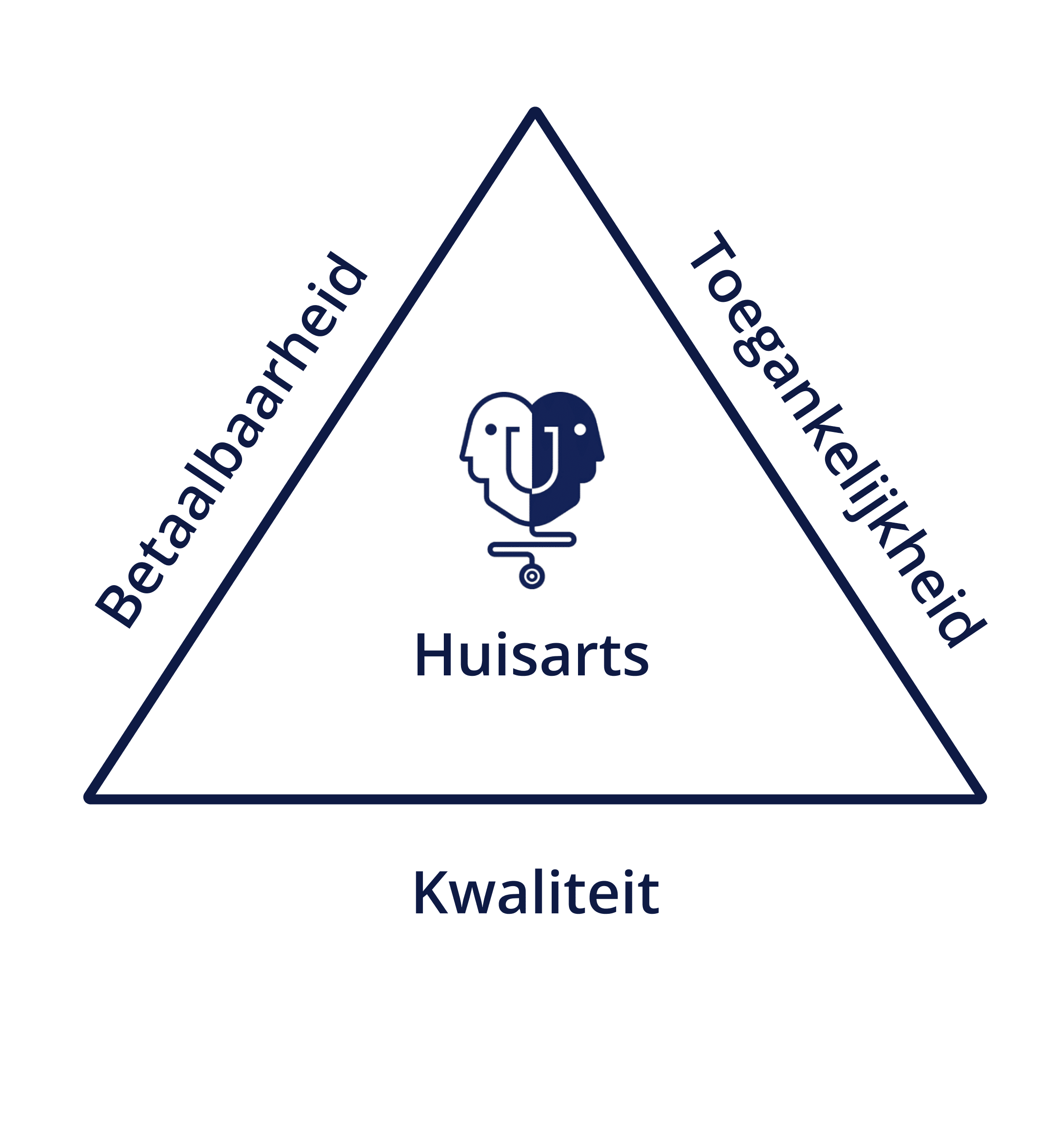
The Iron Triangle of Healthcare: Quality, Accessibility and Affordability The family physician stands at its centre. Mission and Vision Primary Care […]
Is the use of ADHD medication helpful and safe in children?
Is the use of ADHD medication helpful and safe in children? Reading time: 4 minutes. This article contains general information and does not replace […]
School and Homework for Children with ADHD

School and Homework for Children with ADHD Reading time: 4–5 minutes. This article provides general information and does not replace professional […]
All writers
- Hanna Brems
- A Portrait of Erembodegem, a Belgian village
- ADHD
- Advice from the doctor
- African poetry
- AIDS activism and gay emancipation
- Allergie
- Bibliography of Chris
- Bibliography of Olivier
- Bibliography of Patrick
- Biography of Chris
- Biography of Olivier
- Biography of Patrick
- Blackout poetry
- Blogs
- Chris' Stage
- Columns
- Covid
- Dirk van Babylon Newsletter
- Double calling
- Essays
- Essays of Olivier
- Fragile light
- Hanna's Mind Wanderings
- Incapacity for work
- Late Pasquino's
- Lectures
- LEIF doctor
- Liechtensteiner
- Medical newsletter
- Memoirs of a general practitioner
- Miguel Molinos
- Moctines
- Musings
- Myriad
- Patrick's Stage
- Practice in Erembodegem
- Resignation
- Short Stories
- Sleep problems
- Sonnets
- Sprokkelmaand
- Substance abuse and addiction
- Synchronicities
- Travel
- Uncategorized
- Vi to
- Vögels
- Voluntary euthanasia
- Weltschmerz
- Wormwood or The dose makes the poison
- Pixel Savant
- A Portrait of Erembodegem, a Belgian village
- ADHD
- Advice from the doctor
- African poetry
- AIDS activism and gay emancipation
- Allergie
- Bibliography of Chris
- Bibliography of Olivier
- Bibliography of Patrick
- Biography of Chris
- Biography of Olivier
- Biography of Patrick
- Blackout poetry
- Blogs
- Chris' Stage
- Columns
- Covid
- Dirk van Babylon Newsletter
- Double calling
- Essays
- Essays of Olivier
- Fragile light
- Hanna's Mind Wanderings
- Incapacity for work
- Late Pasquino's
- Lectures
- LEIF doctor
- Liechtensteiner
- Medical newsletter
- Memoirs of a general practitioner
- Miguel Molinos
- Moctines
- Musings
- Myriad
- Patrick's Stage
- Practice in Erembodegem
- Resignation
- Short Stories
- Sleep problems
- Sonnets
- Sprokkelmaand
- Substance abuse and addiction
- Synchronicities
- Travel
- Uncategorized
- Vi to
- Vögels
- Voluntary euthanasia
- Weltschmerz
- Wormwood or The dose makes the poison
About the writer
Other works by our writers
- June 2026 (2)
- May 2026 (1)
- February 2026 (2)
- January 2026 (1)
- December 2025 (2)
- November 2025 (5)
- October 2025 (6)
- September 2025 (4)
- August 2025 (12)
- July 2025 (2)
- March 2025 (3)
- December 2024 (8)
- November 2024 (5)
- April 2024 (32)
- January 2024 (1)
- December 2023 (1)
- February 2022 (13)
- December 2021 (5)
- November 2021 (4)
- May 2021 (1)
- February 2021 (3)
- January 2021 (5)
No comments have been posted yet!