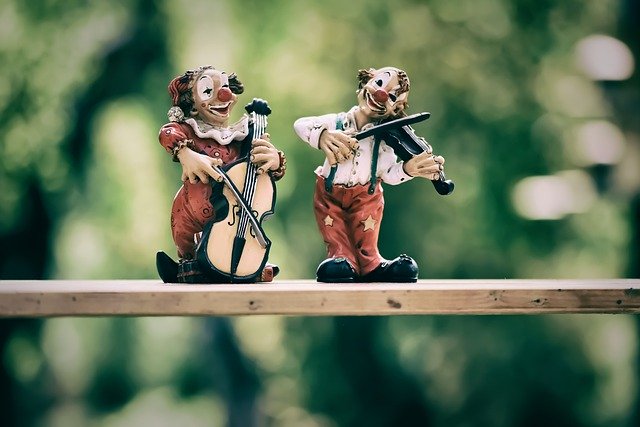
Two Clowns Double Rondeau Rondeau I The white clown with glitter sleeves And high question-mark eyebrows Cannot hide his amazement, For here comes […]
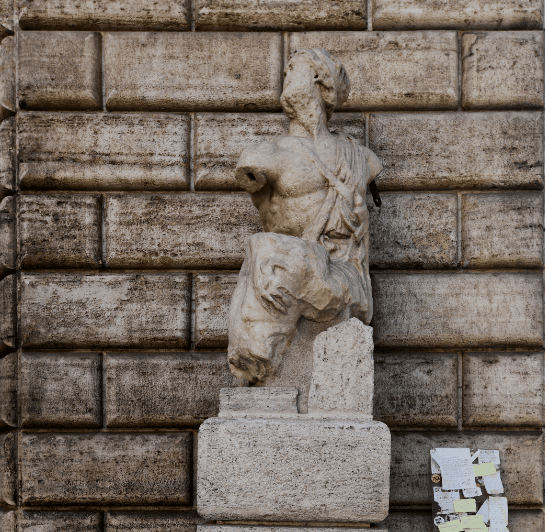
The Pasquino is a well-known ancient statue in the area of Piazza Navona in Rome that at some point began to “speak”: since the early sixteenth century to the present day, people have been attaching anonymous poems of denunciation to the statue’s pedestal to express their dissatisfaction with the current rulers, their politics and their scandals. Several well-known intellectuals have adopted the identity of Pasquino over the centuries because they did not want to speak in their own names and risked being punished for their utterances.
Dirk also affirms his sonnet or poem at the feet of Pasquino. In fact, the sonnet is Pasquino’s favorite form of poetry and also his own. His ambition, therefore, is to be a Pasquino of our time.
By the way, Rome is also the city where, in the seventeenth century, the Spanish priest Miguel Molinos was detained by the Inquisition and subjected to a trial that caused controversy throughout Europe. That is what the historical novel, Miguel Molinos, The Last Heretic, is about.
Two Clowns Double Rondeau Rondeau I The white clown with glitter sleeves And high question-mark eyebrows Cannot hide his amazement, For here comes […]
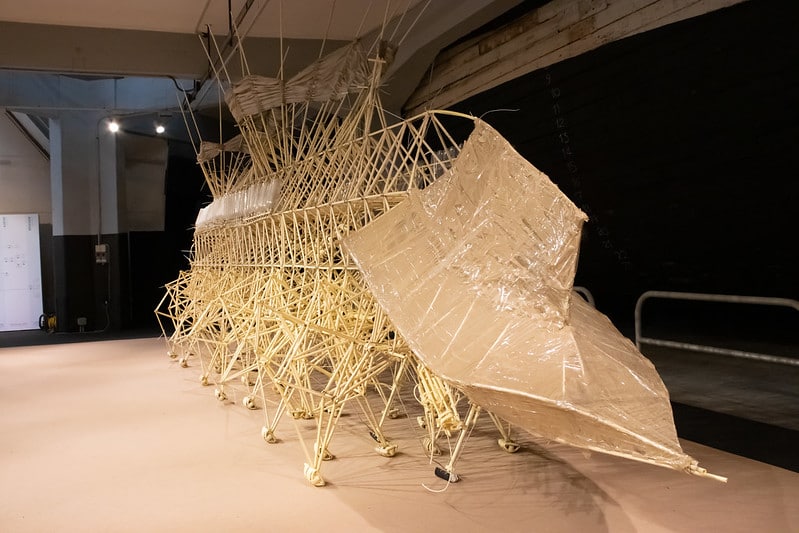
The Strandbeest The Strandbeest comes—so brace yourself. There it strides through the dune landscape. It bears the name of Theo Jansen, Who managed […]

Crackling Projectors Celluloid lies turning sour. It will not be long now Before the image archive fades And reels disappear. Who did not enjoy […]
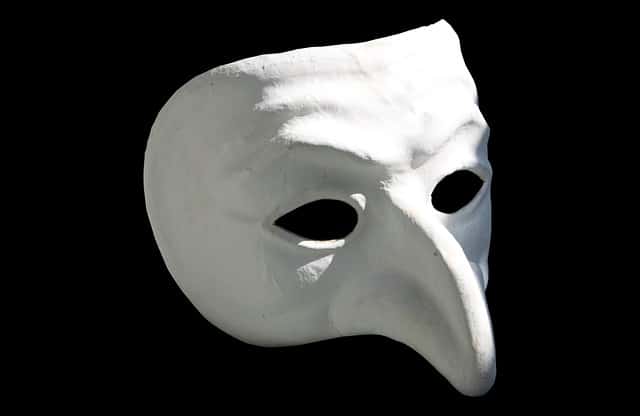
The Dressing Room The mask through which I encounter myself: Stripped of myself and all my possessions. Who would not wish to mask his defects? To […]
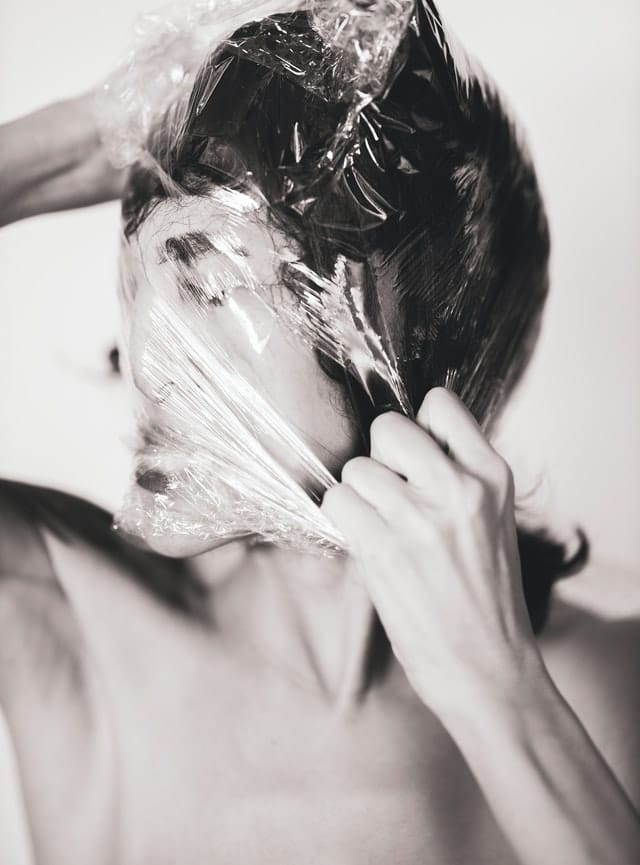
Narrow Escape A disaster avoided by a hair’s breadth! Not so very long ago I gasped for air, Oppressed and fearing danger, As if ridden by a […]